

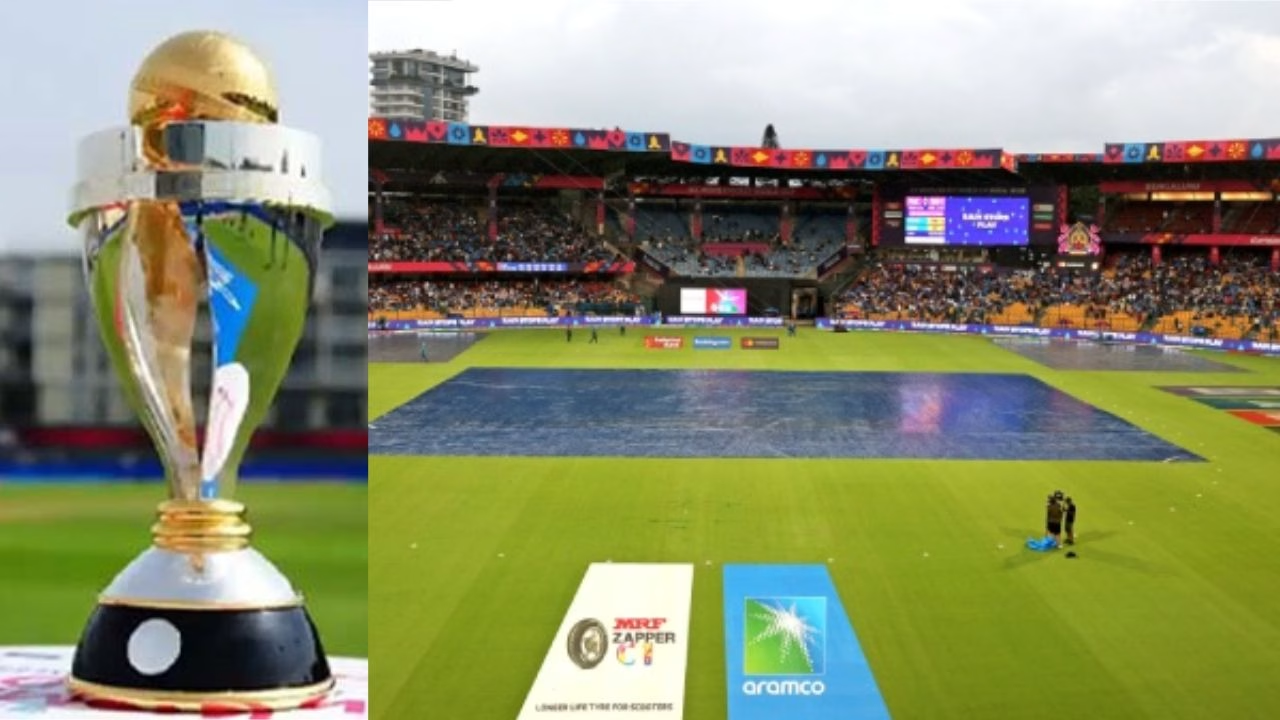

Bengaluru’s Cricket Fortress Falls Silent: The Chinnaswamy Stadium Crisis
The cricket world was left stunned when news broke that Bengaluru’s iconic M Chinnaswamy Stadium would not host any matches during the highly anticipated Women’s Cricket World Cup 2025. This decision, stemming from a tragic stampede during RCB’s IPL 2025 championship celebration, has sent shockwaves through Indian cricket and left the Royal Challengers Bangalore searching for a new home.
Table of Contents
The Tragic Turning Point: Understanding the IPL Stampede
In a devastating incident following RCB’s IPL 2025 victory, a stampede at the M Chinnaswamy Stadium claimed 11 lives and injured several others. The tragic stampede occurred on June 4, 2025, forever changing the landscape of cricket in Bengaluru. This catastrophic event prompted the Justice Cunha committee to conduct a comprehensive investigation into the stadium’s safety protocols and infrastructure.
The commission’s findings were damning. Citing “systematic limitations,” the commission has strongly recommended that large-scale events be shifted to “better suited” venues. The report specifically highlighted that the stadium’s “design and structure” are inherently “unsuitable and unsafe” for mass gatherings, making future events an unacceptable risk to public safety.
Karnataka Government’s Firm Stance on Safety
M. Chinnaswamy Stadium has been excluded as a venue for the 2025 Women’s World Cup after the Karnataka government denied permission. The state government’s decision was unwavering, even when the Karnataka State Cricket Association (KSCA) proposed hosting matches without spectators.
“Even our request to host matches without spectators was turned down,” revealed a KSCA official, highlighting the severity of the safety concerns. This unprecedented move by the government demonstrates their commitment to preventing another tragedy, regardless of the sporting implications.
The Ripple Effect: What Matches Were Affected?
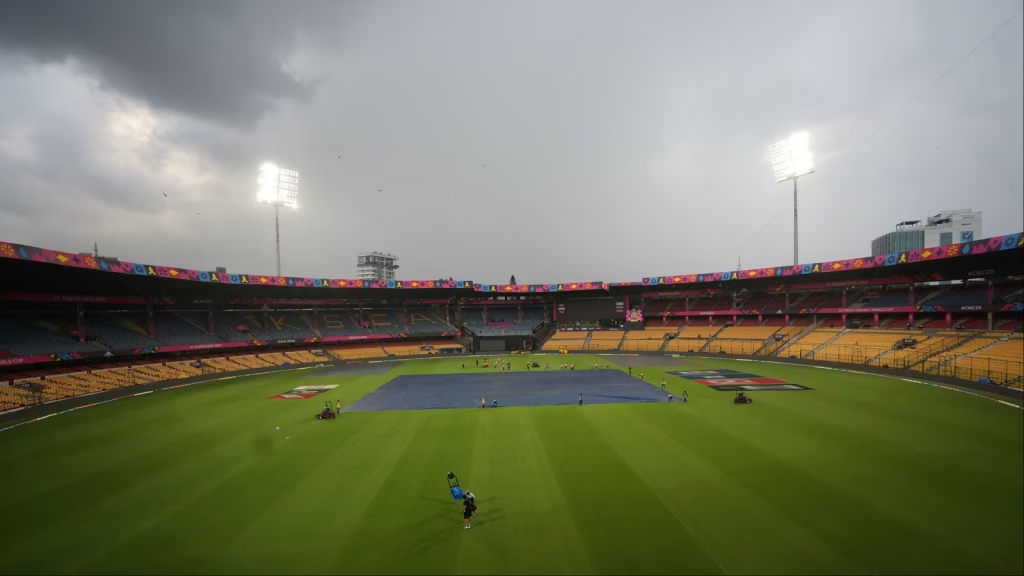
The decision to exclude Chinnaswamy Stadium has significant implications for the Women’s World Cup 2025. Originally, Bengaluru was scheduled to host several crucial matches, including:
| Match Type | Teams | Significance |
|---|---|---|
| Tournament Opener | TBD vs TBD | Opening ceremony and first match |
| Group Stage | INDW vs SLW | India’s key fixture |
| Group Stage | ENGW vs SAW | High-stakes encounter |
| Group Stage | INDW vs BANW | Regional rivalry match |
| Semi-Final | TBD vs TBD | Path to the final |
The loss of these high-profile matches represents a significant blow to Karnataka’s cricket infrastructure and the local economy that benefits from major sporting events.
The Search for Alternative Venues
The Karnataka State Cricket Association (KSCA) is still awaiting clearance from local authorities to stage matches, a delay attributed to concerns stemming from a tragic stampede this year. However, the BCCI now faces the challenging task of finding suitable replacement venues at short notice.
Reports suggest that Thiruvananthapuram’s stadium is being considered as a replacement venue for the Women’s World Cup 2025 matches. Kerala’s Greenfield International Stadium has emerged as a potential alternative, offering modern facilities and adequate safety measures.
Impact on Royal Challengers Bangalore’s Future
The implications extend far beyond the Women’s World Cup. Karnataka has no other international cricket stadium apart from Chinnaswamy, meaning RCB faces an uncertain future for IPL 2026. The franchise, which has called Bengaluru home since the IPL’s inception, may need to relocate temporarily or permanently.
This situation presents several challenges for RCB:
- Fan loyalty and attendance: Moving away from Bengaluru could impact their massive local fan base
- Team identity: The Chinnaswamy Stadium is synonymous with RCB’s brand
- Commercial implications: Sponsorship deals and partnerships may need renegotiation
- Player preferences: Many players have developed strong connections with the venue
Leadership Changes and Accountability
In the wake of the tragedy, accountability became a central concern. The KSCA treasurer and secretary tendered their resignations on moral grounds, acknowledging the institutional failures that contributed to the stampede. This move demonstrates the cricket administration’s recognition of its responsibility for spectator safety.
Looking Ahead: Safety First in Indian Cricket
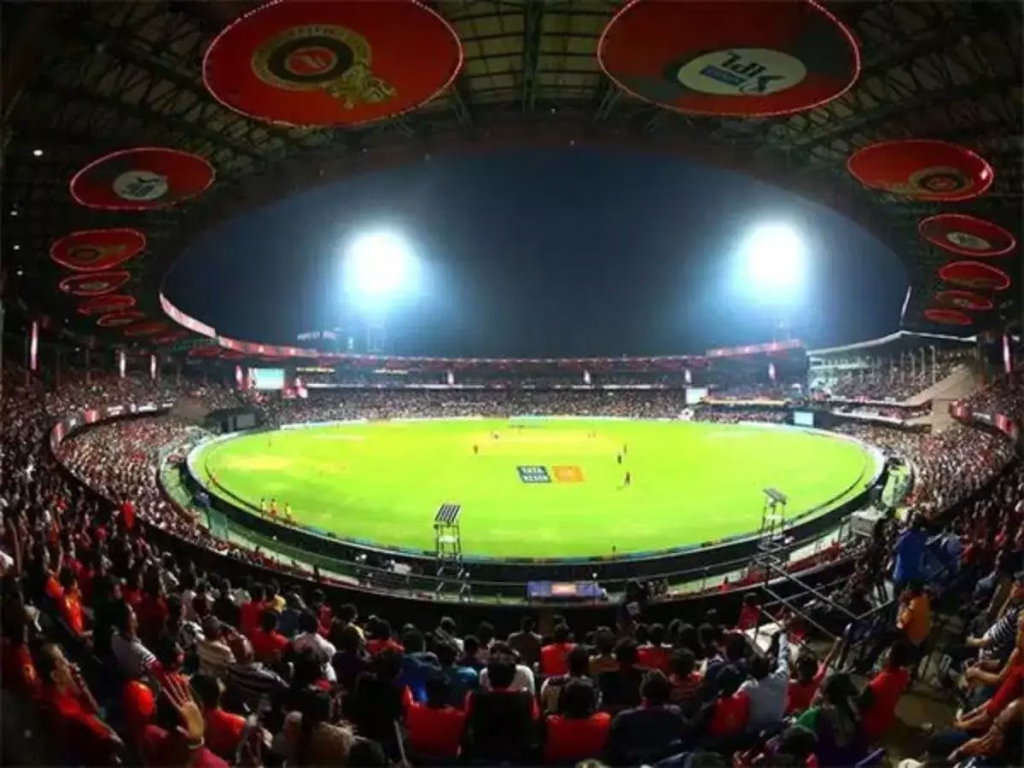
The Chinnaswamy Stadium situation serves as a watershed moment for cricket infrastructure in India. It highlights the critical importance of:
Enhanced Safety Protocols
- Regular safety audits of all cricket venues
- Improved crowd management systems
- Better emergency response procedures
- Updated stadium designs that prioritize fan safety
Regulatory Oversight
- Stricter government involvement in venue approvals
- Regular inspections and certifications
- Mandatory safety upgrades for aging infrastructure
- Clear consequences for safety violations
The Road to Recovery: A New Chapter for Indian Cricket
The exclusion of M Chinnaswamy Stadium from major cricket events marks the end of an era but also the beginning of a crucial conversation about sports safety in India. While the immediate impact on the Women’s World Cup and RCB’s future is significant, this crisis presents an opportunity to establish new standards for venue safety and crowd management.
After a deadly stampede shook the city of Bengaluru in June 2025, the M Chinnaswamy Stadium is facing the threat of abandonment. However, with proper investment in infrastructure upgrades and safety systems, there remains hope for the stadium’s eventual return to hosting major cricket events.
The cricket community now awaits the BCCI’s announcement of replacement venues and RCB’s future plans, knowing that the priority must always be the safety and wellbeing of players and spectators. This challenging period will test the resilience of Indian cricket but may ultimately lead to stronger, safer sporting infrastructure for future generations.
Also read- Rohit Sharma And Virat Kohli Train Hard for Australia ODIs 2025

