

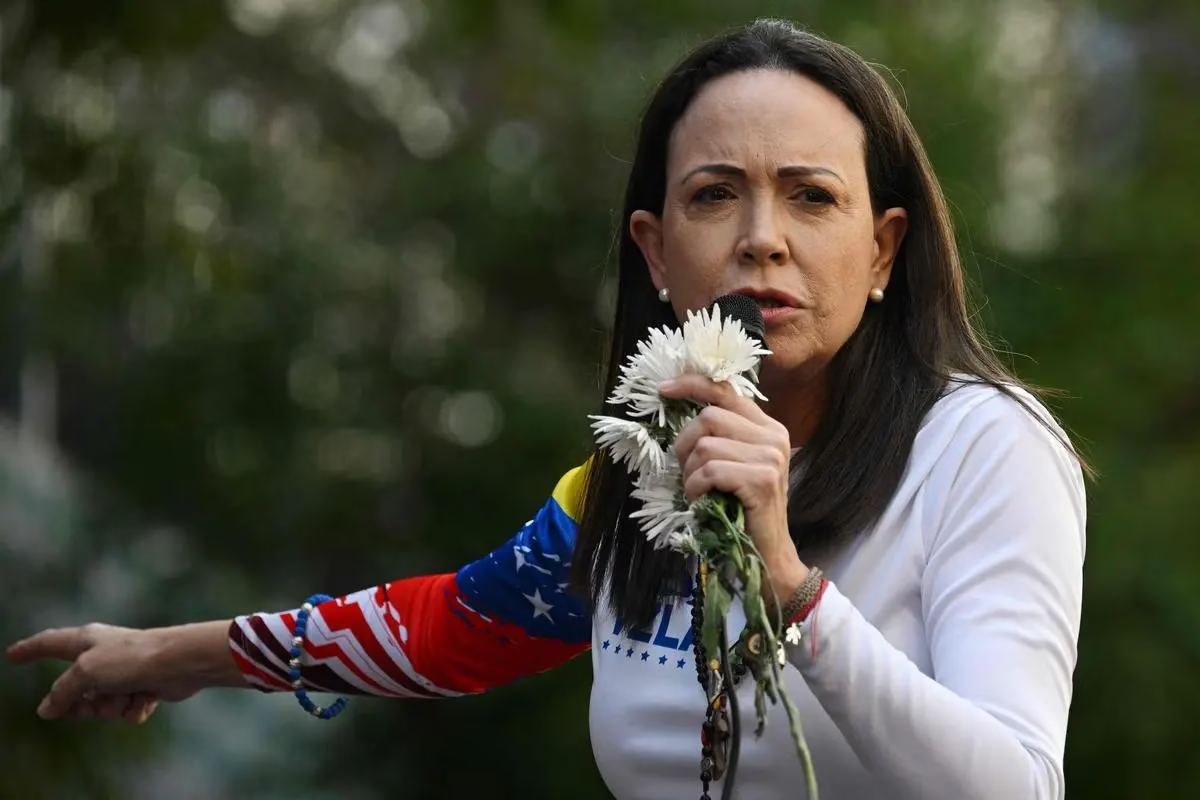

The Nobel Peace Prize is one of the highest recognitions for individuals who champion peace, democracy, and human rights. In 2025, the award stirred controversy when it was given to Venezuelan opposition leader Maria Corina Machado. While celebrated globally for her courage and democratic activism, she is also facing harsh criticism for her international alliances and certain controversial positions. Here’s a compact, easy-to-read analysis of why Machado’s win has become a topic of intense debate.
Key Facts: Maria Corina Machado’s Nobel Prize and Controversy
| Aspect | Details |
|---|---|
| Award Date | Nobel Peace Prize 2025 |
| Achievement | For leading efforts to restore democracy in Venezuela |
| Criticism Focus | Support for Israel, ties with Israel’s Likud party, advocacy for foreign intervention |
| Supporters Argue | She’s a symbol of hope and democratic unity for Venezuela |
| Critics Argue | Alliances and public stances may conflict with peace ethics, especially regarding Middle East |
| Nobel Committee Stance | Defended choice, emphasized her non-violent, democratic resistance against dictatorship |
Who is Maria Corina Machado?

Maria Corina Machado is widely regarded as a leading voice in Venezuela’s fight for democracy. For years, she has opposed the regimes of Hugo Chávez and Nicolás Maduro, organizing protests, building opposition coalitions, and defending basic civil rights even in the face of repression, threats, and exile. Her persistence, even when forced underground, has inspired many Venezuelans longing for democratic change.
Why Did Maria Corina Machado Win the Nobel Peace Prize?
The Nobel Committee honored Machado for “keeping the flame of democracy burning in Venezuela amid growing darkness” and hailed her as a “unifying democratic symbol” for a fractured nation. The committee’s official statement noted her courage and her “unwavering commitment to free, fair elections,” as well as her ability to inspire peaceful resistance, despite being physically targeted and politically persecuted in Venezuela.
Machado’s role in organizing the opposition against Maduro, especially when many other leaders were in exile or imprisoned, marked her as a beacon for democratic action according to global human rights advocates.
Why Is Machado Facing Criticism?
Despite Machado’s undeniable bravery, criticism quickly erupted following her win. The main points include:
- Support for Israel and Netanyahu’s Likud Party: Machado has openly supported Israel and formed ties with the Likud party—a stance that became especially controversial as conflict escalated in Gaza. Opponents argue her solidarity with Israeli government policies contradicts her peace credentials.
- Advocacy for Foreign Intervention: Machado has previously called for stronger international actions against the Maduro regime, including possible foreign intervention. Critics say this goes against the non-violent spirit usually associated with the Peace Prize.
- Public and Online Backlash: Social media erupted with both praise and condemnation, with some activists arguing her positions undermine her status as a peace icon. Meanwhile, others insist she represents the hard choices faced by democracy fighters in volatile regions.
The Nobel Committee’s Response
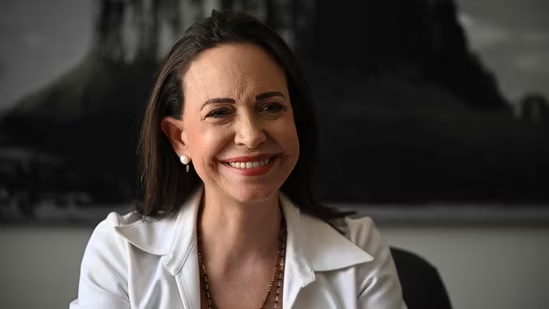
The Nobel Committee defended its decision, emphasizing Machado’s peaceful resistance and arguing the prize recognizes her work for democracy, not her international alliances. The committee stated: “An advocate for democracy can hold complex international stances—what matters is the non-violent pursuit of basic rights in their homeland.” For the committee, Machado’s steadfastness in Venezuela’s darkest chapter was the overriding factor.
Impact on Venezuela and International Relations
- In Venezuela: Machado’s win energized opposition supporters and internationalized their struggle but also deepened political divides at home, where Maduro’s government condemned the Nobel Committee’s choice.
- Internationally: Her ties to Israel and the United States have bolstered Western support but made her a polarizing figure on the global stage, especially among countries critical of current Israeli policy.
For deeper coverage on Venezuela’s political landscape and global democracy movements, check the TechnoSports.co.in World Affairs section.
Conclusion
Maria Corina Machado’s Nobel Peace Prize win underscores the complexities of global activism and how one’s alliances can shape their legacy. While championed as a fearless leader for democracy and human rights, her international stances—especially support for Israel and calls for outside help—have drawn sharp criticism. As debate continues both in Venezuela and globally, Machado’s story serves as a reminder that the fight for peace and democracy is rarely without controversy.
FAQs
Q1: Did Maria Corina Machado call for military action in Venezuela?
While Machado has not explicitly called for military invasion, she has urged the international community to consider all “instruments of pressure,” including sanctions and stronger diplomatic actions, to restore democracy in Venezuela. This advocacy has been interpreted by some as supporting foreign intervention, feeding the controversy after her Nobel win.
Q2: What does the Nobel Committee say about the backlash against Machado?
The committee has reiterated that the Nobel Peace Prize honors peaceful, democratic activism within Venezuela. They have clarified that international alliances or statements, while significant, do not overshadow Machado’s core achievements in advocating for democratic rights through non-violent means.

