

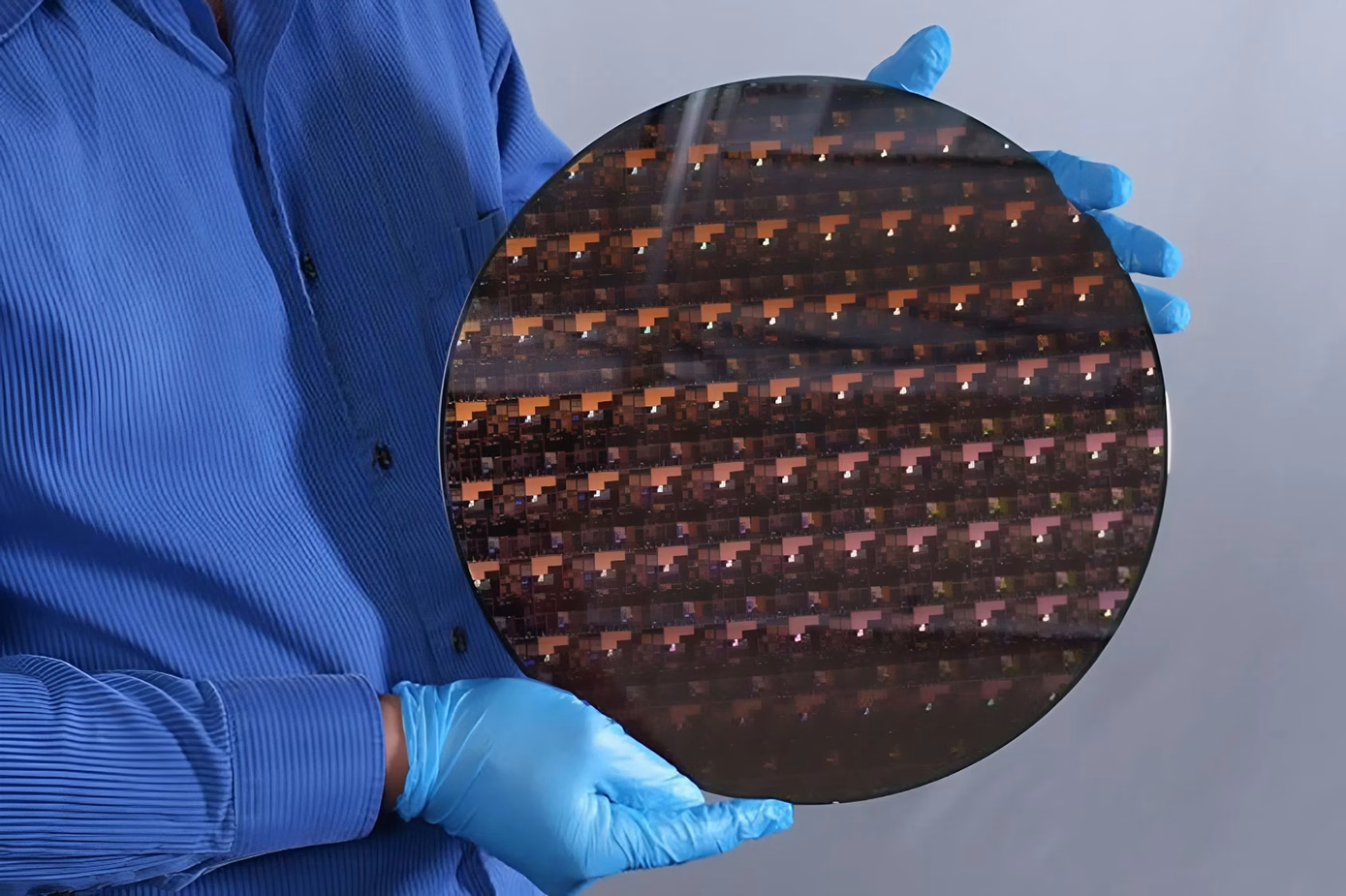

Samsung is making strategic improvements to its 2nm Gate-All-Around (GAA) process technology, positioning itself as a viable alternative to TSMC’s market-leading solutions. The Korean foundry’s cautious but determined approach could reshape the semiconductor landscape.

Samsung’s Strategic Focus on 2nm GAA Technology
Samsung has adopted a “selection and concentration” strategy, prioritizing its 2nm GAA process development over rushing to smaller nodes. This decision came after delaying its 1.4nm process to focus resources on perfecting the 2nm technology.
The company expects strong demand for 2nm GAA wafers to persist for at least three to four years, providing ample time for yield improvements and process refinements.
Current Development Progress
| Aspect | Samsung Status | TSMC Comparison |
|---|---|---|
| Yield Target | 70% (6 months goal) | 90-100% current |
| Mass Production | H2 2025 planned | Already ramping |
| Strategy | Gradual improvement | Market leadership |
Samsung’s Multi-Generation 2nm Roadmap
Samsung isn’t stopping at first-generation 2nm GAA. The company has completed basic design for its second-generation 2nm process and plans to implement the third-generation “SF2P+” variant within two years.
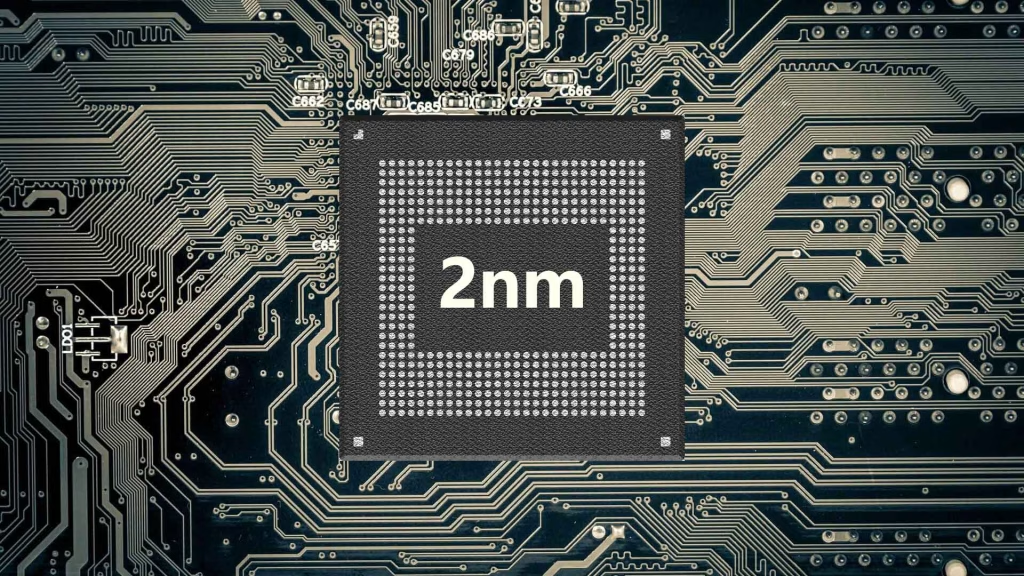
This multi-tier approach allows Samsung to continuously improve performance, power efficiency, and yields while maintaining competitive pricing against TSMC’s offerings.
Key Challenges Samsung Must Address
The foundry faces significant hurdles in heat dissipation and performance stabilization. With yields currently 20-30% behind TSMC’s, Samsung must build industry trust while offering competitive pricing to attract major clients.
Market Impact and Competition Outlook
Samsung’s Pyeongtaek plant and other facilities are being prepared for mass production in the second half of 2025. The company’s success could introduce much-needed competition in the advanced node market, potentially benefiting chip designers through better pricing and supply diversity.

However, Samsung’s historical track record means it must prove reliability and consistency before gaining significant market share from TSMC‘s dominance.
For more semiconductor industry insights, visit our tech hardware analysis section.
FAQs
When will Samsung’s 2nm GAA process reach mass production?
Samsung plans to begin mass production of its 2nm GAA process in the second half of 2025.
How do Samsung’s 2nm yields compare to TSMC’s?
Samsung targets 70% yields, which are currently 20-30% behind TSMC’s established 2nm performance.

