

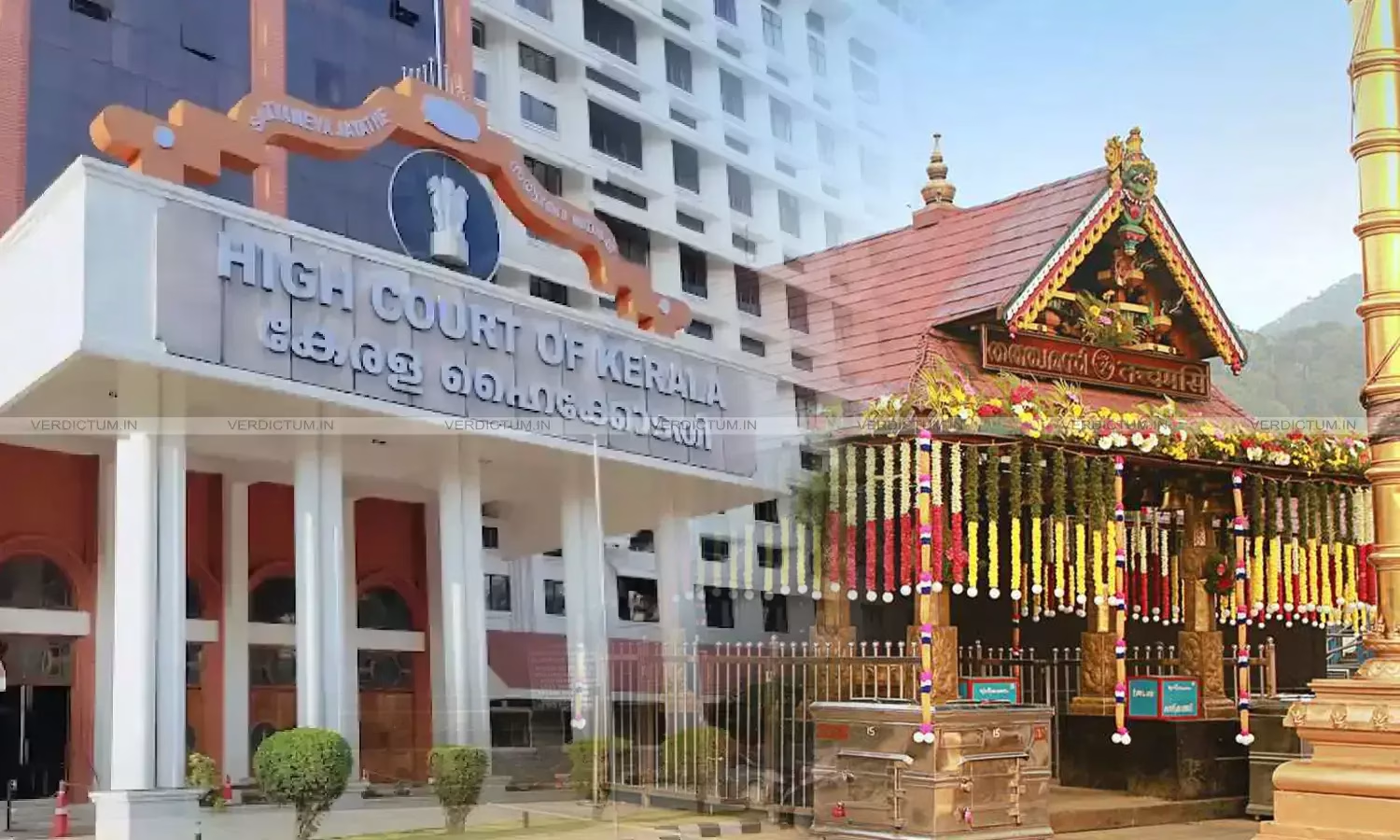

The Kerala High Court has taken a landmark step toward environmental conservation by banning chemical kumkum and plastic shampoo sachets at Sabarimala ahead of the Mandalam-Makaravilakku pilgrimage season beginning November 17, 2025. This decisive action addresses alarming pollution levels in sacred streams, marking a significant shift toward sustainable pilgrimage practices.
Kerala High Court Order: Key Details
| Parameter | Details |
|---|---|
| Date of Order | November 7, 2025 |
| Bench | Justice Raja Vijayaraghavan & Justice K.V. Jayakumar |
| Case Type | Suo Motu Petition |
| Banned Items | Chemical kumkum, plastic shampoo sachets |
| Affected Locations | Pamba, Sannidhanam, Erumeli |
| Season Start | November 17, 2025 |
| Pilgrimage Duration | Mandalam-Makaravilakku (Nov-Jan) |
| Authority | Travancore Devaswom Board (TDB) |
| Waste Source | Pettathullal ritual, pilgrim bathing |
| Polluted Stream | Valiyathodu in Erumeli |
| Penalty (First Offense) | ₹2,000 fine for vendors |
| Penalty (Second Offense) | ₹5,000 fine |
| Third Offense | Permanent closure of establishment |
The Environmental Crisis Behind the Ban
Counsel for Erumeli Grama Panchayat revealed that shampoo sachets and waste materials were being dumped into the Valiyathodu stream during the annual pilgrimage. Traditionally, kumkum was prepared from turmeric and natural ingredients, but modern synthetic versions contain harsh chemicals requiring strong detergents for removal.

During the sacred Pettathullal ritual performed in Erumeli, participants spray chemical kumkum on their bodies, later washing it off with heavy-duty shampoos that severely pollute local water bodies. This creates a vicious cycle of environmental degradation that threatens the biodiversity hotspot within the Periyar Tiger Reserve.
For more environmental news and updates, visit TechnoSports Environment.
Court’s Comprehensive Directives
The Division Bench ordered express prohibition on selling shampoo sachets at kuthakas (shops) in Pamba and Sannidhanam, with no person permitted to sell shampoos in plastic covers. Additionally, the TDB must explore installing nets or check dams across streams to trap accumulated debris during the pilgrimage season.
The court also mandated that public notices be issued through official websites, print media, and electronic media informing pilgrims about the ban and promoting traditional, naturally derived alternatives.
Wildlife at Risk
The court emphasized that Sabarimala’s location within the Western Ghats biodiversity hotspot and Periyar Tiger Reserve makes plastic consumption by wildlife “catastrophic” for conservation efforts. Each pilgrim’s irumudikettu (traditional head bundle) contains approximately 20 grams of plastic from various containers, generating nearly 1.4 tons of non-recyclable waste daily during peak season.

Stakeholder Compliance and Next Steps
The Cochin Devaswom Board, Guruvayur Devaswom Board, and Chengannur Municipality informed the court that arrangements were being implemented to comply with earlier directives. The Guruvayur Devaswom Board has established a separate queue for Sabarimala pilgrims at Guruvayur temple to facilitate smooth darshan.
The TDB, which maintains 52 edathavalams (resting spaces) along the pilgrimage route, has been directed to file a consolidated report detailing implementation steps. The matter will be heard again next week for further monitoring.
For comprehensive coverage of religious tourism developments, check TechnoSports Travel.
Learn more about Sabarimala pilgrimage on the Travancore Devaswom Board official website and the Kerala Tourism portal.
The Path Forward: Sustainable Pilgrimage
This historic judgment sets a precedent for eco-friendly religious tourism across India. By mandating natural alternatives and strict penalties, the court balances devotion with ecological responsibility. Success depends on pilgrim cooperation, vendor compliance, and robust enforcement by authorities.
The Sabarimala model could inspire similar initiatives at other major pilgrimage sites facing environmental challenges, transforming sacred spaces into showcases of sustainable practices that honor both tradition and nature.
Frequently Asked Questions
Q1: What are the alternatives to chemical kumkum and plastic shampoo sachets at Sabarimala?
The Kerala High Court has directed authorities to promote traditional kumkum made from natural ingredients like turmeric and lime, which was historically used before synthetic versions became popular. For bathing needs, pilgrims are encouraged to use biodegradable soap bars instead of shampoo sachets, or utilize shampoo dispensers that will be installed at designated bathing areas. The Travancore Devaswom Board is working to make these eco-friendly alternatives readily available and affordable at official counters throughout the pilgrimage route.
Q2: What penalties will vendors face for selling banned items at Sabarimala?
Vendors (kuthaka holders) caught stocking or dispensing plastic shampoo sachets or chemical kumkum face strict penalties: ₹2,000 fine for the first offense, ₹5,000 for the second violation, and permanent closure of their establishment for a third offense. Forest officials will enforce these penalties, and the Travancore Devaswom Board through the Sabarimala Executive Officer has the authority to shut down non-compliant shops. These measures are designed to ensure complete compliance with the environmental protection order during the pilgrimage season.

