

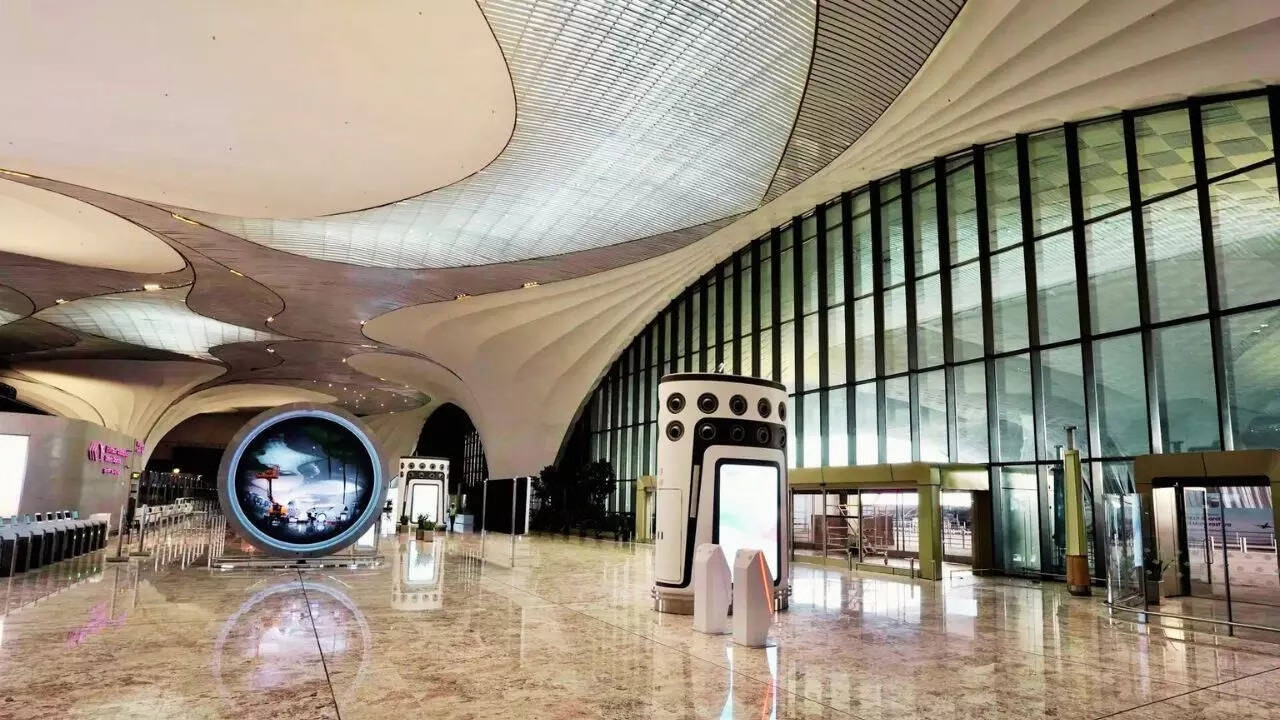

Prime Minister Narendra Modi inaugurated the much-awaited Navi Mumbai International Airport on October 8, 2025, marking a watershed moment in India’s aviation history. Built at a cost of ₹19,647 crore ($2.2 billion), this state-of-the-art facility is India’s first fully digital airport and will significantly ease pressure on Mumbai’s existing Chhatrapati Shivaji Maharaj International Airport. But when can travelers actually book their first flight?
Navi Mumbai Airport At a Glance
| Detail | Information |
|---|---|
| Inauguration Date | October 8, 2025 |
| Commercial Operations | December 2025 |
| Ticket Booking Opens | Late October 2025 |
| Total Project Cost | ₹19,647 crore ($2.2 billion) |
| Phase 1 Capacity | 20 million passengers annually |
| Ultimate Capacity | 90 million passengers (all phases) |
| Expected Flights (Day 1) | 50-60 domestic & international |
When Will Flights Actually Begin?

Despite the October 8 inauguration ceremony, commercial operations won’t begin until December 2025. Airlines are expected to launch ticket bookings on their websites by late October, giving travelers about 4-6 weeks advance notice before the first flights take off.
The airport will handle both domestic and international flights from day one, with airlines planning approximately 50-60 flights during the launch period. This ambitious start reflects strong demand and confidence in the new facility’s capabilities.
For travelers planning trips from Mumbai, check our comprehensive Mumbai travel guide on Technosports for the latest updates and booking tips.
India’s First Fully Digital Airport
Navi Mumbai International Airport introduces groundbreaking digital features including pre-booked parking, seamless online check-in, automated baggage drop, digital immigration processing, and virtual queuing systems. These innovations aim to eliminate traditional airport hassles and create a truly paperless travel experience.
Key Digital Features:
- Contactless check-in and boarding
- Real-time flight and gate updates via mobile app
- Virtual queue management (no physical lines)
- Smart baggage tracking
- AI-powered security screening
This technological leap positions India at the forefront of global aviation innovation.
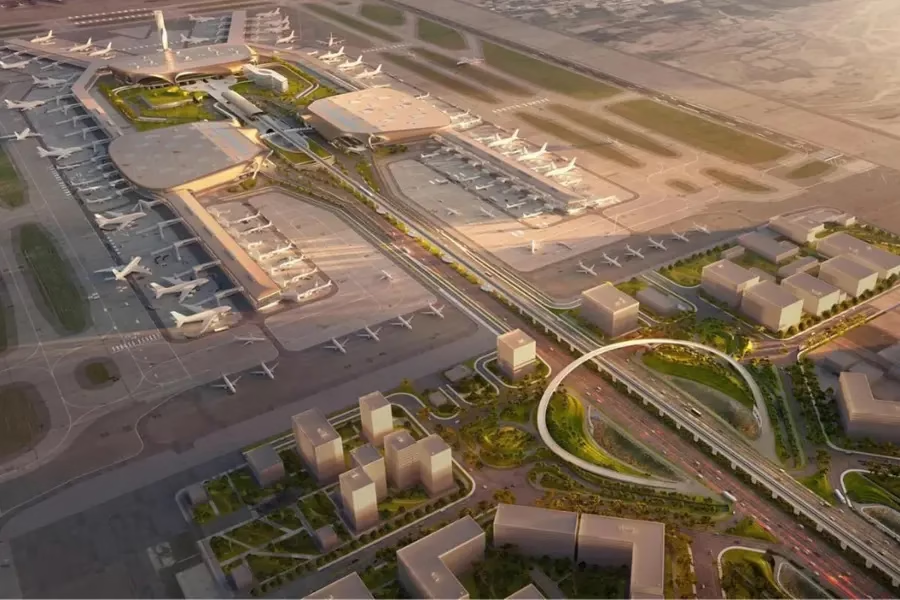
Multi-Modal Connectivity Revolution
The airport boasts unprecedented multi-modal connectivity through road, rail, and waterways. Water taxi services will operate from nearby Targhar, while the newly opened Atal Setu strengthens road access. A proposed “Gold Line” metro will directly connect Chhatrapati Shivaji Maharaj International Airport with Navi Mumbai International Airport, creating seamless inter-airport transfers.
Connectivity Options:
- Road: Atal Setu Trans-Harbour Link
- Metro: Mumbai Metro Line-3 (Aqua Line) connection
- Waterways: Water taxi services from Targhar
- Future: Gold Line metro for direct airport-to-airport transit
This comprehensive network ensures travelers can reach the airport through their preferred mode of transport.
Economic Impact and Future Expansion
The airport’s four-terminal master plan envisions handling 90 million passengers annually once fully operational. Phase 1 alone accommodates 20 million passengers, immediately boosting Mumbai’s aviation capacity by over 50%.
According to officials, this infrastructure will significantly ease congestion at the existing Mumbai airport while positioning Maharashtra as India’s premier aviation hub.
Long-term Benefits:
- Job creation (direct and indirect employment)
- Enhanced logistics for Maharashtra’s industrial corridor
- Improved international connectivity for trade
- Tourism boost for Mumbai metropolitan region
For insights on how infrastructure projects impact regional development, visit Technosports business section.
What Travelers Should Know
Booking Timeline:
- Late October 2025: Ticket bookings open on airline websites
- December 2025: First commercial flights depart
- Initial Period: Expect promotional fares and limited routes
Getting There: The airport is located in Ulwe, Navi Mumbai, approximately 35 km from South Mumbai. Factor in at least 60-90 minutes travel time depending on your departure point and chosen transportation mode.
Airport Code: Once operational, Navi Mumbai International Airport will receive its official IATA code, separate from Mumbai’s existing BOM designation.
For official announcements and real-time updates, monitor the Airports Authority of India website.
PM Modi’s Vision for Aviation Democracy
During the inauguration, PM Modi referenced his 2014 vision: “I had said it was my dream that even people wearing hawai chappals (slippers) should be able to travel by air. To fulfill this, it was important to set up new airports across the country”.
This philosophy has driven India’s airport expansion, with Navi Mumbai representing a flagship achievement in making air travel accessible to all economic segments.
What’s Next?
As December approaches, expect:
- Airline route announcements
- Promotional launch fares
- Operational procedure updates
- Ground handling partner reveals
Airlines and travel portals will likely create significant buzz around inaugural flights, potentially offering special discounts for early adopters.
For official updates on Navi Mumbai International Airport, visit the Airports Authority of India. Stay updated on travel news and infrastructure developments at Tech2sports.
Frequently Asked Questions
Q: Will Navi Mumbai Airport replace the existing Mumbai airport at Santacruz?
A: No, Navi Mumbai International Airport will complement, not replace, Chhatrapati Shivaji Maharaj International Airport. Both airports will operate simultaneously to handle Mumbai’s massive air traffic demand. The new airport primarily serves to ease congestion and provide additional capacity as passenger numbers continue growing. Some airlines may eventually shift operations to Navi Mumbai, but travelers will have access to both facilities based on airline preferences and route availability.
Q: Can I visit Navi Mumbai Airport before December to see the facilities?
A: Currently, the airport is not open for public tours as operational testing and staff training are underway before the December launch. However, once commercial operations begin, the terminal will be accessible to passengers and accompanying visitors per standard airport regulations. Airlines and airport authorities may organize special preview events closer to the operational date—check official channels for announcements. The best way to experience the facility initially will be by booking a flight once ticket sales begin in late October.

