

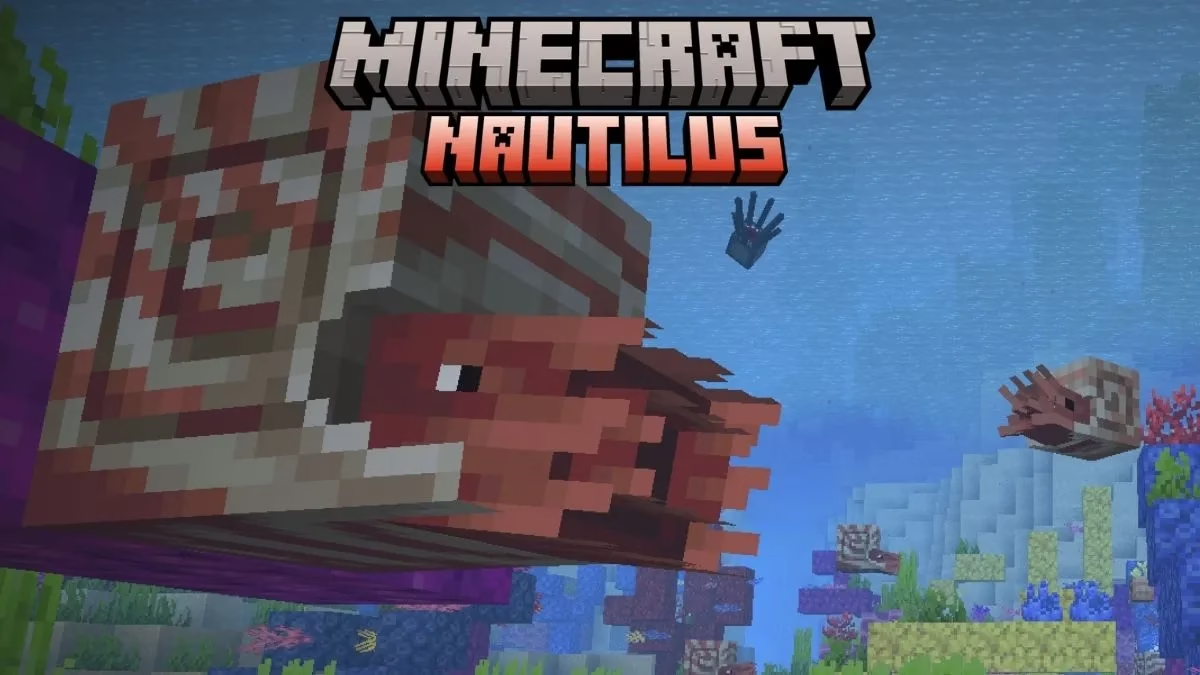

Minecraft’s underwater world is about to get more interesting with the introduction of the Nautilus mob, a fascinating new ocean creature that’s capturing players’ attention. Whether you’re an underwater explorer or building oceanic bases, understanding this mob’s behavior, spawning mechanics, and potential drops will enhance your aquatic Minecraft adventures.
Minecraft Nautilus Mob: Quick Overview
| Detail | Information |
|---|---|
| Mob Name | Nautilus |
| Type | Passive Ocean Creature |
| Biome | Ocean & Deep Ocean |
| Behavior | Neutral/Passive |
| Drops | Nautilus Shells (potential) |
| Spawn Conditions | Water biomes, specific depth |
| Attack | No direct combat |
| Purpose | Ambiance & resource gathering |
What Is the Nautilus Mob?
The Nautilus joins Minecraft’s diverse ocean ecosystem as a passive creature inspired by the real-world chambered nautilus, a prehistoric cephalopod that’s remained virtually unchanged for millions of years. According to Beebom, Mojang continues expanding oceanic content to make underwater exploration more rewarding and visually engaging.
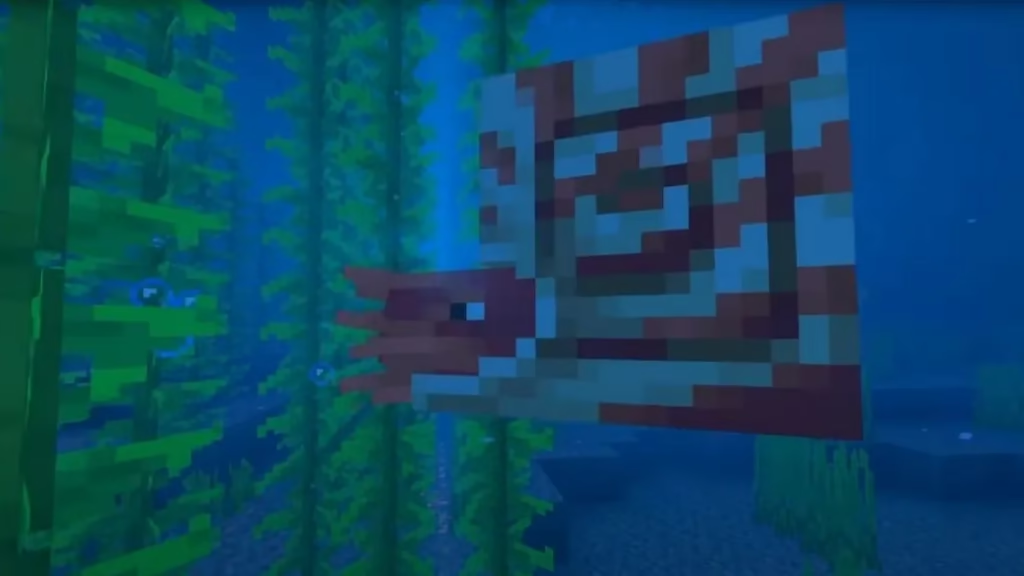
This mob adds both aesthetic value and functional purpose to ocean biomes, which received major updates in the Aquatic Update but continue evolving with new features. The Nautilus represents Minecraft’s commitment to creating diverse and interactive ecosystems across all biomes.
Nautilus Spawning Mechanics
Biome Requirements – The Nautilus spawns primarily in regular Ocean and Deep Ocean biomes, though variant ocean biomes may also support spawning under specific conditions. Players exploring these areas during underwater expeditions will encounter them naturally.
Depth Considerations – Unlike dolphins that stay near the surface, Nautilus mobs prefer mid-depth and deeper waters, typically spawning 20-60 blocks below sea level where they can navigate freely without surface interference.
Spawn Rates – As with most passive mobs, Nautilus spawn rates depend on available space, light levels, and existing mob counts in the area. Ocean biomes must have sufficient spawning capacity for these creatures to appear.
Group Behavior – Nautilus may spawn individually or in small groups (2-4), similar to squid spawning patterns, creating visually appealing clusters when players encounter them during exploration.
Nautilus Behavior and Characteristics
Movement Patterns – The Nautilus exhibits unique swimming mechanics that differentiate it from squid and dolphins. Its movement mimics the real nautilus’s jet propulsion system, creating distinctive animation patterns that make identification easy.
Interaction with Players – As a passive mob, the Nautilus doesn’t attack players but may flee when approached aggressively, similar to tropical fish behavior. Peaceful observation allows players to study their patterns without disruption.
Environmental Interaction – Nautilus mobs interact with coral reefs, kelp forests, and underwater structures, adding life to these environments and making ocean exploration feel more dynamic and inhabited.
Nautilus Drops and Uses
Primary Drop: Nautilus Shells – While the exact drop mechanics remain subject to game updates, Nautilus mobs likely drop Nautilus Shells, a valuable item used in crafting Conduits—essential structures for underwater base building.
According to the Minecraft Wiki, Nautilus Shells have been obtainable through fishing and drowned drops, but having a dedicated mob source provides more reliable farming opportunities for players needing multiple shells.
Farming Potential – Players can create Nautilus farms similar to squid farms, designing water columns or ocean platforms that encourage spawning and efficient collection of drops for Conduit construction.
Building with Nautilus in Mind
Aquarium Designs – The Nautilus makes an excellent addition to custom aquariums, providing movement and visual interest that static coral blocks cannot offer. Their unique appearance creates stunning display tanks in creative builds.
Ocean Base Enhancement – Players maintaining underwater bases benefit from Nautilus presence, as these mobs add ambiance while potentially providing sustainable Nautilus Shell sources for expanding Conduit networks.
Comparison with Other Ocean Mobs
Unlike Dolphins (which assist with treasure hunting), Turtles (which provide scutes), or Tropical Fish (decorative), the Nautilus fills a niche combining aesthetic appeal with practical resource drops, balancing Minecraft’s design philosophy of beauty meeting functionality.
Squid Similarities – Both Nautilus and squid are passive ocean dwellers, but Nautilus occupy deeper waters and offer different drops, creating distinct ecological niches that prevent redundancy.
Tips for Finding Nautilus Mobs
Explore Deep Oceans – Focus underwater exploration efforts on Deep Ocean biomes where spawn rates may be higher due to increased water volume and depth meeting optimal spawn conditions.
Use Night Vision Potions – Underwater visibility challenges make Night Vision and Water Breathing potions essential for extended Nautilus hunting sessions, allowing thorough biome exploration.
Build Spawn Platforms – Create artificial spawning areas at appropriate depths to concentrate Nautilus spawns, similar to techniques used for other aquatic mob farms.
Conduit Power – Establish Conduit networks to enable unlimited underwater breathing and mining speed, making prolonged Nautilus observation and farming more efficient.
Frequently Asked Questions
Q: Can you breed Nautilus mobs in Minecraft?
A: Based on current information, Nautilus mobs do not appear to have breeding mechanics like dolphins or turtles. They spawn naturally in ocean biomes, so players cannot breed them to increase population. However, maintaining large ocean areas with optimal spawning conditions can encourage natural spawning for sustainable populations in your world.
Q: Do Nautilus mobs drop experience points when killed?
A: Like most passive mobs in Minecraft, Nautilus mobs likely drop small amounts of experience points (1-3 XP) when killed, similar to squid and fish. However, since they’re passive creatures without aggressive behavior, farming them purely for XP is less efficient than targeting hostile mobs or using dedicated XP farms like mob grinders or furnaces.

