

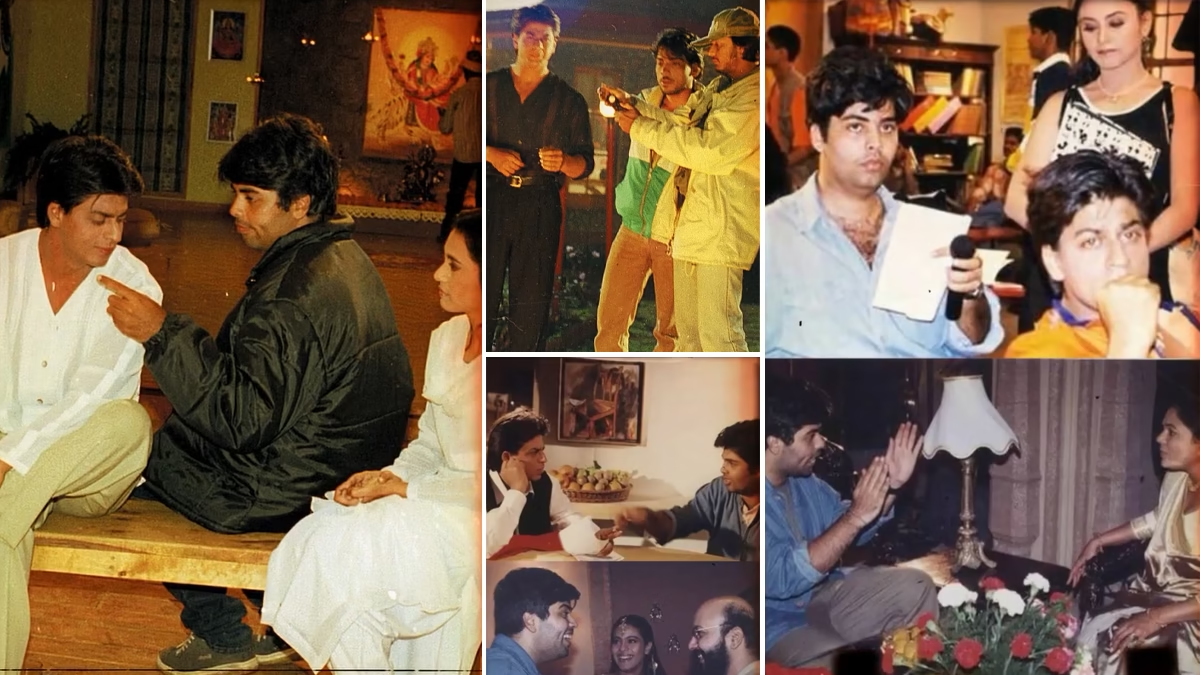

On October 16, 2025, filmmaker Karan Johar celebrated a significant milestone—27 years of Kuch Kuch Hota Hai, his iconic directorial debut that transformed Indian cinema forever. By sharing rare behind-the-scenes photographs featuring Shah Rukh Khan, Kajol, Rani Mukerji, and other cast and crew members, Karan opened a nostalgic window into the magic that unfolded on set.
These candid moments reveal not just filmmaking brilliance but the genuine camaraderie, joy, and love that surrounded this watershed film. For cinema enthusiasts and Bollywood fans, this anniversary celebration offers precious insights into how one film changed everything.
Kuch Kuch Hota Hai: 27 Years of Timeless Cinema
| Milestone Details | Information |
|---|---|
| Release Date | October 16, 1998 |
| Anniversary Celebrated | October 16, 2025 |
| Director | Karan Johar (Directorial Debut) |
| Key Cast | Shah Rukh Khan, Kajol, Rani Mukerji |
| Status | Highest-grossing Hindi film of 1998 |
| Achievement | Won National Film Award for Best Popular Film |
A Directorial Triumph: How It All Began
Released during the Diwali weekend of 1998, Kuch Kuch Hota Hai became an instant phenomenon and the highest-grossing Hindi film of its year. Karan Johar’s directorial debut—created when he was just 24 years old—told the poignant love triangle story of college friends Rahul, Anjali, and Tina, later evolving into a tale of Rahul’s daughter attempting to reunite her father with his former best friend.
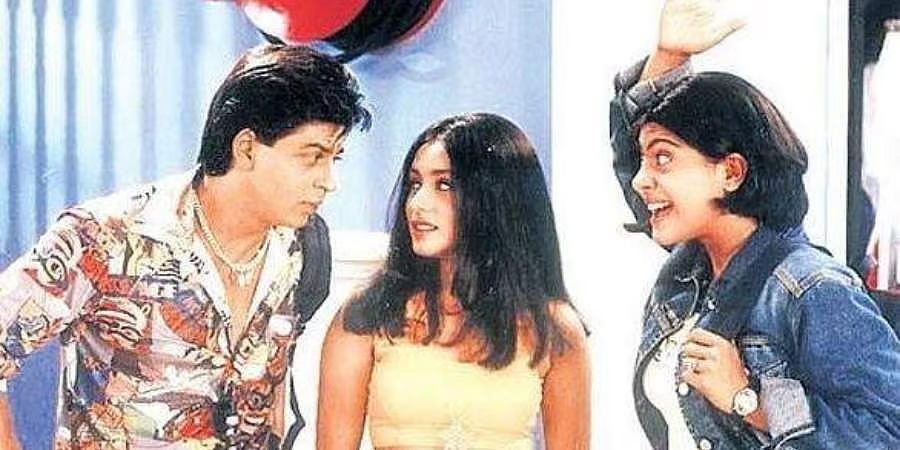
The film’s commercial and critical success established Karan Johar as one of Bollywood’s leading storytellers, launching a directorial career that would produce blockbuster after blockbuster.
Behind-the-Scenes Magic: Karan’s Nostalgic Celebration
On the film’s 27th anniversary, Karan shared candid behind-the-scenes photographs capturing genuine moments of joy, banter, and creative energy. The images featured Shah Rukh Khan, Kajol, Rani Mukerji, choreographer Farah Khan, actress Archana Puran Singh, veteran actor Anupam Kher, and his late father Yash Johar. Alongside these precious memories, Karan posted the film’s iconic track “Tum Paas Aaye,” creating an emotional resonance with audiences.
In his caption, Karan wrote: “27 years!!! Some beautiful and candid memories from our set of #KuchKuchHotaHai…a set filled with love, too much banter and happiness. Thank you to everyone for the love you continue to give this film…it means everything to me!”
This heartfelt message revealed the deep emotional connection Karan maintains with his debut film.
Understanding the Creative Vision
Karan has previously explained his motivation for making Kuch Kuch Hota Hai, stating: “I just wanted to make a very big hit. I was 24 years old when I wrote Kuch Kuch Hota Hai, and as a producer’s son, I grew up understanding box office business. I wanted to do this not for material reason but for prestige reason and my father to get his morale back.”
This revelation demonstrates that behind every successful film lies deeply personal motivation and genuine passion.
The Legacy: From Debut to Bollywood Excellence
Kuch Kuch Hota Hai didn’t just launch Karan’s directorial career—it established a template for romantic storytelling in Indian cinema. Following this debut, Karan directed blockbuster franchises including Kabhi Khushi Kabhie Gham, Kabhi Alvida Naa Kehna, My Name Is Khan, Student of the Year series, Ae Dil Hai Mushkil, and Rocky Aur Rani Kii Prem Kahaani.
As a producer, he championed numerous successful films across diverse genres, including Raazi, Shershaah, Brahmāstra, and Sunny Sanskari Ki Tulsi Kumari.
Cultural Impact: A Film That Defined a Generation
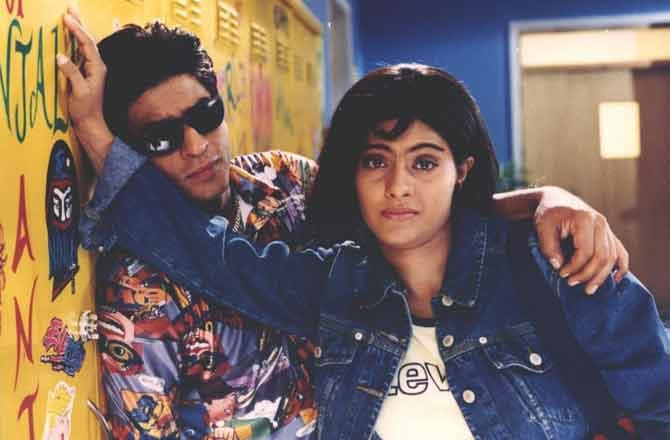
Kuch Kuch Hota Hai transcended being merely a successful film—it became a cultural phenomenon that influenced how an entire generation approached romance, friendship, and life choices. The film’s iconic dialogues, memorable songs, and emotional beats continue resonating with audiences nearly three decades later.
Its achievement of winning the National Film Award for Best Popular Film Providing Wholesome Entertainment validated its cultural significance and artistic merit beyond commercial success.
Looking Back, Looking Forward
As Karan Johar reflects on 27 years of Kuch Kuch Hota Hai, he continues creating impactful entertainment through his production house Dharma Productions and various media ventures. His recent projects and upcoming series demonstrate his continued commitment to quality storytelling and industry excellence.
Stay updated with Bollywood’s most significant milestones and film anniversaries on TechnoSports.
Frequently Asked Questions
Why is Kuch Kuch Hota Hai so significant in Bollywood history?
Kuch Kuch Hota Hai is historically significant for multiple reasons: it was Karan Johar’s directorial debut that launched him as one of Bollywood’s most influential filmmakers; it became the highest-grossing Hindi film of 1998 and third highest-grossing Indian film overall; it won the National Film Award for Best Popular Film Providing Wholesome Entertainment; and it established a template for romantic storytelling that influenced Hindi cinema for decades. The film’s emotional depth, memorable music, iconic dialogues, and performances by Shah Rukh Khan, Kajol, and Rani Mukerji created a cultural phenomenon that transcended generations. Its narrative—combining college romance, love triangles, and themes of friendship and forgiveness—resonated deeply with audiences and established emotional storytelling as commercially viable in mainstream Indian cinema.
What was Karan Johar’s personal motivation for making Kuch Kuch Hota Hai?
Karan Johar’s personal motivation for making Kuch Kuch Hota Hai was deeply rooted in family and prestige rather than purely commercial considerations. At 24 years old, having grown up in the film industry as a producer’s son, Karan understood box office dynamics but wanted to create something significant for personal and familial reasons. He specifically stated wanting to make “a very big hit” not for material gain but “for prestige reason and my father to get his morale back.” This reveals that behind the film’s commercial success lay genuine emotional motivation—a son’s desire to prove himself, create something meaningful, and provide his father with professional and emotional satisfaction. This personal investment likely contributed significantly to the film’s authenticity and emotional resonance that audiences felt, transforming it from a commercial venture into a cultural phenomenon.

