



Apple’s long-awaited foldable iPhone just became more financially viable. The hinge mechanism will cost between $70-$80 during mass production, significantly below the expected $100-$120 price tag—a reduction that could make the foldable iPhone more affordable than competitors.
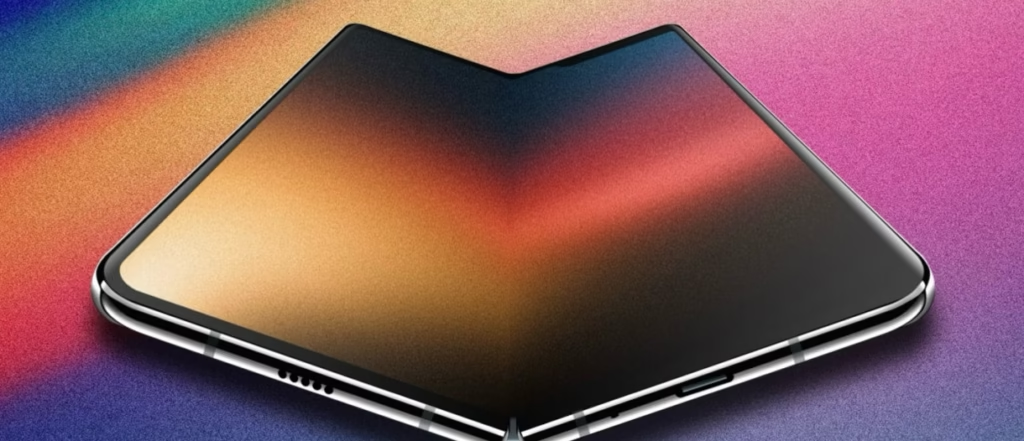
Foldable iPhone Hinge: Cost Breakdown
| Component | Initial Estimate | Actual Cost | Savings |
|---|---|---|---|
| Hinge Mechanism | $100-$120 | $70-$80 | $20-$40 |
| Cost Reduction | — | 20-35% | Per Unit |
Why the Hinge Cost Matters
The hinge is one of the most expensive components in foldable devices, and Foxconn’s manufacturing prowess combined with design improvements enabled this cost reduction. This isn’t about cutting corners—Apple’s strategic supplier relationships and engineering innovations made cheaper production possible without sacrificing quality.
The savings give Apple flexibility to either maintain premium profit margins or price the foldable iPhone more competitively against Samsung’s Galaxy Z Fold series. For context, current foldable phones typically retail between $1,800-$2,500, making every component cost reduction crucial.
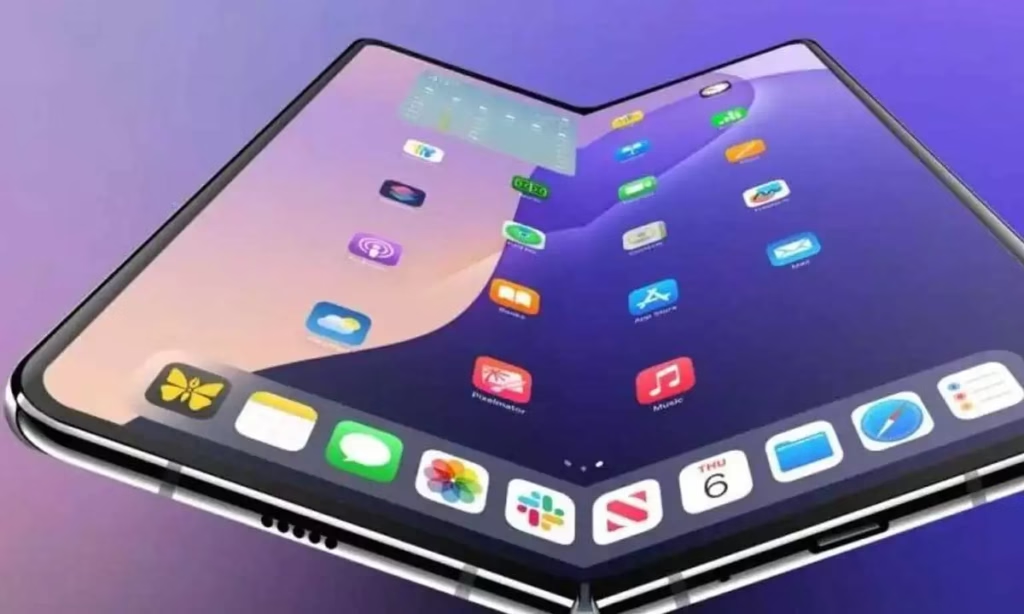
Foxconn’s Strategic Advantage
Foxconn will produce the hinge mechanism, leveraging their deep integration with Apple’s supply chain. This partnership demonstrates why Apple’s vertical integration strategy pays dividends—controlling more of the manufacturing process means better cost optimization.
For more insights on Apple’s hardware strategy, explore our iPhone buying guide for comprehensive device comparisons.
When Will the Foldable iPhone Launch?
Industry analyst Ming-Chi Kuo expects the foldable iPhone in late 2026, giving Apple time to refine the technology. This timeline also allows the company to observe how competitors handle durability issues while perfecting their own implementation.
According to Apple’s innovation approach, the company typically enters new product categories once the technology meets their quality standards rather than rushing to market first.
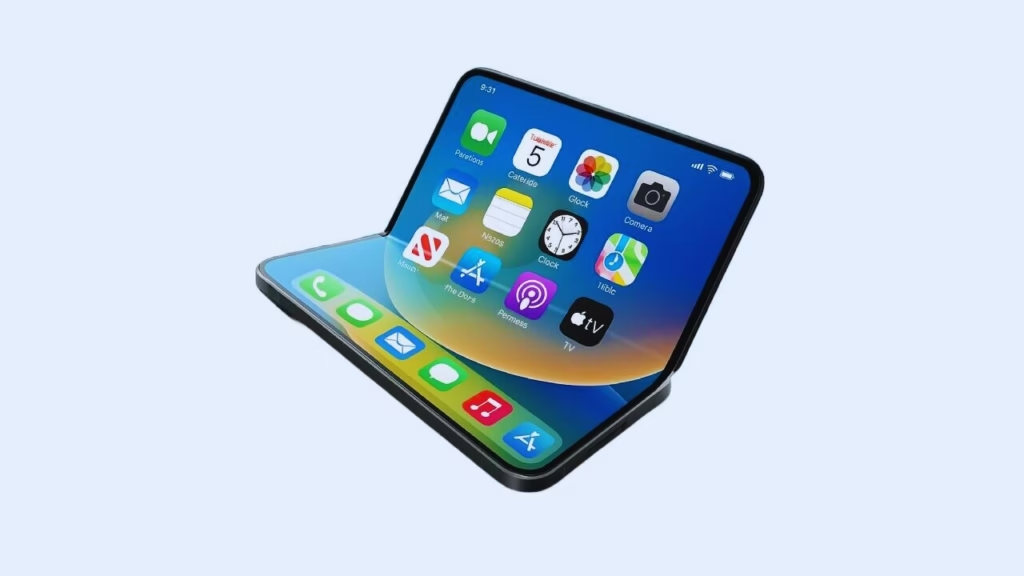
Should You Wait for the Foldable iPhone?
If you’re eyeing current foldables, the 2026 timeline means you’ll wait nearly two years. The reduced hinge cost suggests Apple aims for competitive pricing, but expect premium positioning above standard iPhones.
The Bottom Line: Lower hinge costs signal Apple’s commitment to making foldable iPhones commercially viable, not just technological experiments. This calculated approach could finally make foldables mainstream.
FAQs
Will the foldable iPhone be cheaper than Samsung’s Galaxy Z Fold?
Pricing isn’t confirmed, but lower component costs suggest competitive pricing is possible.
Is the cheaper hinge less durable?
No, the cost reduction comes from manufacturing efficiency, not quality compromises.

