

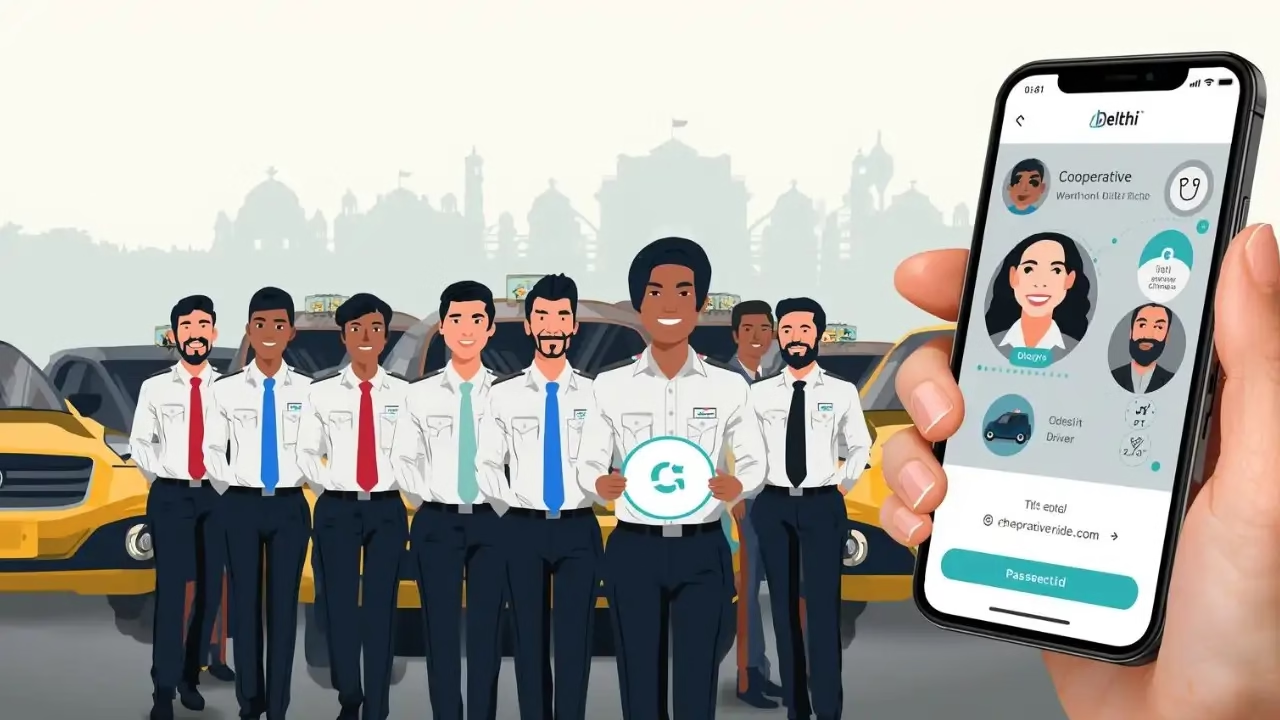

The Delhi government is preparing to revolutionize urban transportation with the launch of its very own cooperative ride-hailing service, aimed at providing affordable, surge-free rides while empowering drivers. This initiative, inspired by Maharashtra’s successful Sahkar Taxi model, promises transparency, fairness, and sustainability for both drivers and passengers.
What’s New? The Cooperative Cab App
The upcoming platform will be a driver-owned, driver-managed app that connects passengers directly with driver-members, eliminating the middlemen and high commission fees imposed by conventional aggregators. The government aims to ensure drivers retain 100% of their earnings with no platform commission, offering a win-win situation for all.

Key Features
- Zero commission for drivers: Drivers will keep all their earnings.
- Fair and transparent fares: No surge pricing to surprise passengers.
- Driver ownership: Drivers are active stakeholders sharing profits.
- Dedicated app: Direct connection between passengers and drivers.
- Inclusive mobility: Supports two-wheelers, autos, taxis, and four-wheelers.
How Will It Benefit Drivers and Passengers?
- Drivers: Improved income, social security benefits, decision-making power.
- Passengers: Reliable service, transparent fares, affordability without sudden price hikes.
How the Model Works
The Delhi scheme, modeled on Maharashtra’s Sahkar Taxi project, will facilitate regulatory clearances, ensuring safety and compliance. The app will enable real-time, transparent fare slabs, banning algorithmic surge pricing. The platform will be governed by a cooperative society where drivers are members and share profits.
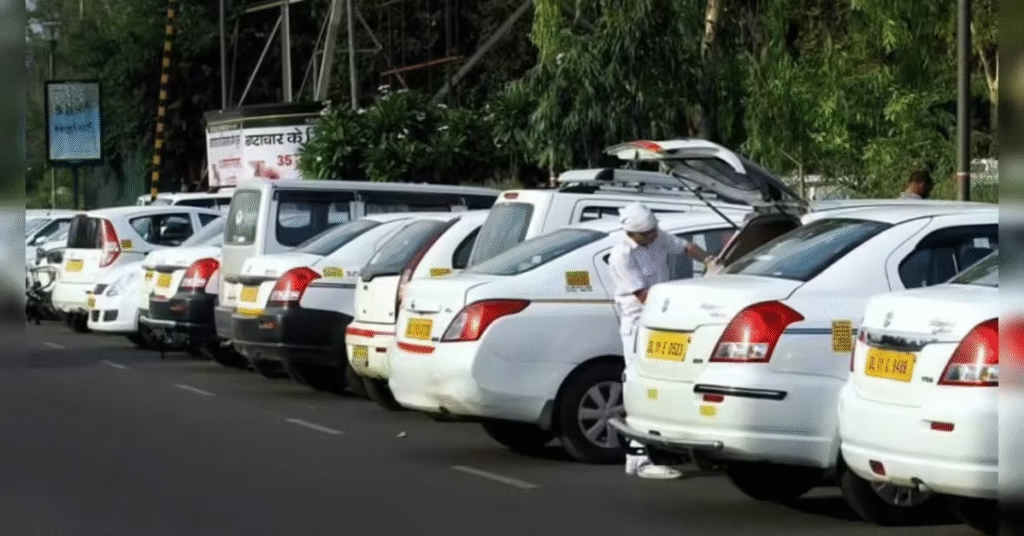
The Bigger Picture
Union Minister Amit Shah, earlier this year, announced the nationwide push for cooperative taxi services, ensuring earnings and profits are equitably shared among driver-members. Delhi’s version is tailored specifically to its unique traffic and commuter needs but aligns with this larger vision.
Why This Matters in 2025
This move empowers drivers, reduces dependence on corporate middlemen, and fosters a sustainable urban transport ecosystem. It promotes fair earnings, social security, and affordable rides for commuters—making city travel more equitable and accessible.
Industry & Expert Reactions
Sanjay Samrat, President of the Delhi Taxi and Tourist Transporters Association, welcomed the initiative, criticizing current aggregators for taking up to 40% commission on rides. The cooperative model aims to restore earnings, support existing vehicle owners (like CNG taxis), and promote eco-friendly vehicles at an affordable rate.
| Feature | Details |
|---|---|
| Launch Timeline | Expected rollout soon, with Maharashtra’s pilot starting by December 2025 |
| Platform Type | Cooperative, owned and managed by drivers |
| Supporting Vehicles | Taxis, auto-rickshaws, two-wheelers, and four-wheelers |
| Regulatory Support | Delhi government facilitating necessary clearances |
| Expected Benefits | Fair earnings for drivers, affordable fares for passengers, surge-free rides |
External & Internal Resources
- Full article on Times Now News — Detailed insights on the project.
- Official Instagram updates — Visual updates and real-time announcements.
- Stay updated on the initiative and future transportation policies by visiting the Tech2Sports Update Hub, your source for the latest innovative mobility solutions.
FAQs
Q1: How is Delhi’s cooperative ride-hailing app different from existing platforms?
Delhi’s app will be owned and operated by drivers themselves, with no commission deducted from their earnings, and fares will be transparent and surge-free, unlike traditional aggregators.
Q2: When will the cooperative ride-hailing service start operating in Delhi?
It is expected to launch soon, with Maharashtra’s pilot beginning by December 2025, and Delhi tailoring its platform to local needs for a launch in early 2026.

