

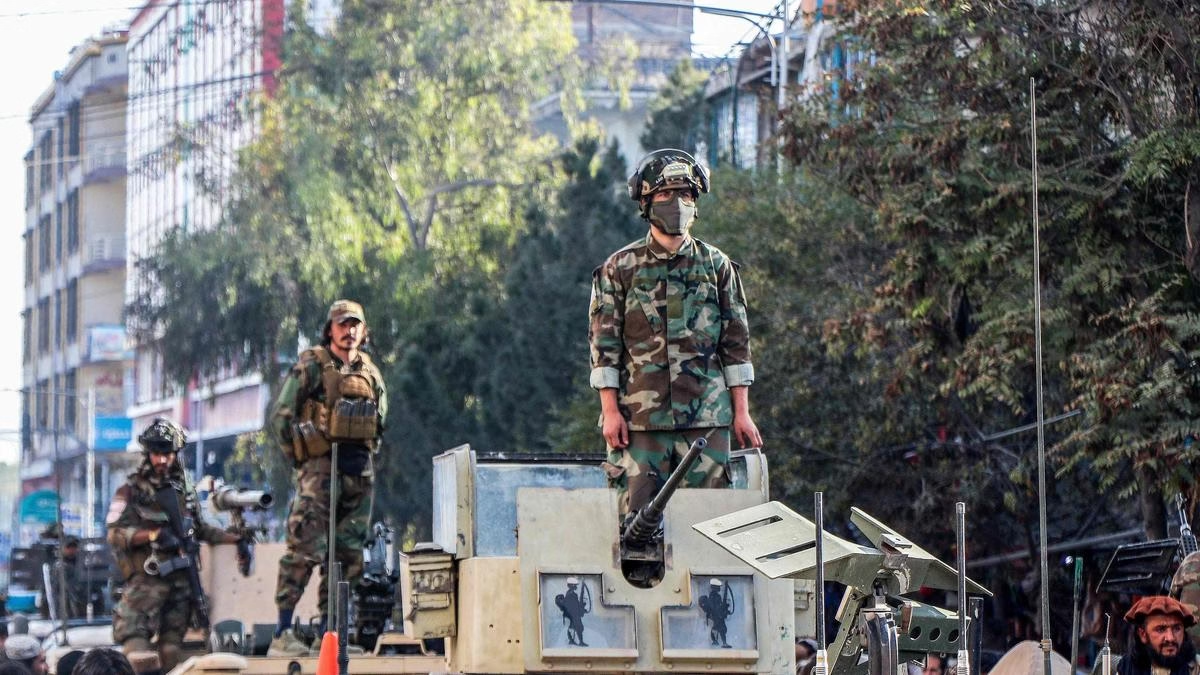

New violent clashes between Pakistani and Afghan military forces have erupted along the volatile border region, resulting in dozens of deaths and numerous injuries. The intensifying confrontations have further strained the already fragile peace between the two nations, notably affecting the Spin Boldak district in southeastern Afghanistan and the Chaman district in Pakistan.
Pakistan and Afghanistan War Overview of the October 2025 Border Clashes
| Aspect | Details |
|---|---|
| Locations | Spin Boldak (Afghanistan) & Chaman (Pakistan) |
| Duration | Approximately 5 hours of continuous fighting |
| Casualties (Afghan side) | At least 15 civilians killed, over 100 injured |
| Casualties (Pakistani side) | 6 soldiers killed, 4 civilians injured |
| Trigger | Both sides accuse each other of initiating hostilities |
| Military Actions | Pakistan conducted airstrikes; Taliban fighters captured posts |
| Temporary Ceasefire | Both countries declared a 48-hour ceasefire starting evening 15 Oct |
What Sparked the Conflict?
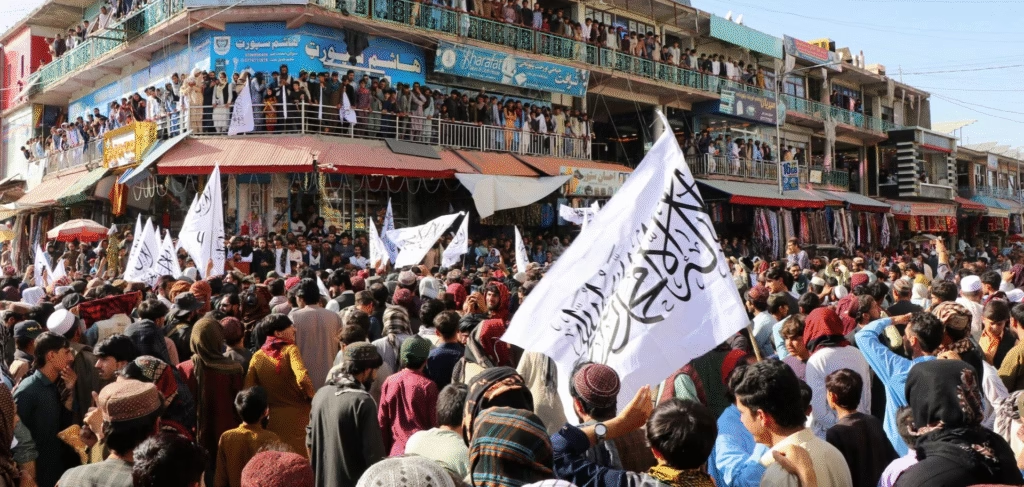
Tensions escalated following Pakistani military airstrikes targeting alleged Tehrik-e-Taliban Pakistan (TTP) camps in Kabul. Pakistan accuses Afghanistan’s Taliban regime of harboring TTP militants responsible for attacks within Pakistan. Kabul denies these allegations, resulting in an increasingly hostile environment.
On October 15, Pakistani forces launched attacks with “light and heavy weapons” in Afghan territory, causing civilian deaths and injuries. The Taliban retaliated with coordinated offensives, seizing Pakistani border posts and destroying military infrastructure.
Humanitarian Impact
The fierce clashes have displaced thousands of residents near the border, with many evacuating homes due to shelling. Hospitals in Spin Boldak reported medical emergencies, treating numerous women and children wounded in the conflict. Destruction of civilian properties and infrastructure has further exacerbated the crisis.
Diplomatic Responses and Mediation Efforts
Recognizing the risk of broader conflict, Qatar and Saudi Arabia have stepped in to mediate talks between Afghanistan and Pakistan. The two neighbors agreed to a 48-hour ceasefire beginning on the evening of October 15, though the ceasefire’s endurance remains uncertain amidst ongoing hostilities.
Afghanistan denied Pakistani officials’ visa requests for peace talks, resulting in Islamabad suspending diplomatic engagements. Meanwhile, Afghanistan’s foreign minister is visiting India, strengthening Kabul-Delhi ties amid Pakistan’s growing unease.
Official Statements
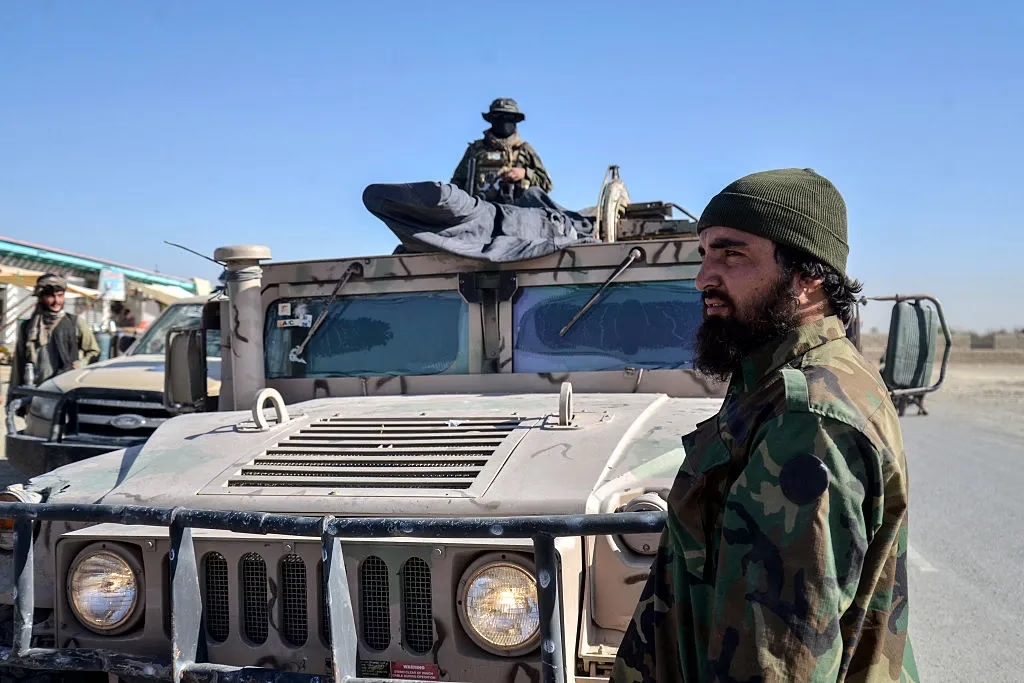
- Afghan Taliban Spokesperson Zabihullah Mujahid: Accuses Pakistani troops of initiating attacks and causing civilian casualties while claiming successful defense and counterattacks against Pakistani forces.
- Pakistan Military: Denies initiating the conflict, stating the attacks were repelled, and accuses the Taliban of aggressing multiple border points. Pakistan pledges steadfast defense of its sovereignty and territorial integrity.
Why This Matters
The resurgence of fighting highlights the fragility of peace and security in a region fraught with complex militant dynamics and historical distrust. Stability on the Pakistan-Afghanistan border is crucial for regional peace, trade, and the well-being of border communities.
External Authoritative Sources
FAQs
Q1: How many civilians were reported killed in the latest Pakistan-Afghanistan border clashes?
At least 15 civilians, including many women and children, were killed along with over 100 injured as reported by Afghan authorities.
Q2: Have Pakistan and Afghanistan agreed to any ceasefire recently?
Yes, both sides have agreed to a 48-hour ceasefire starting from the evening of October 15, 2025, facilitated by mediation efforts from Qatar and Saudi Arabia.

