

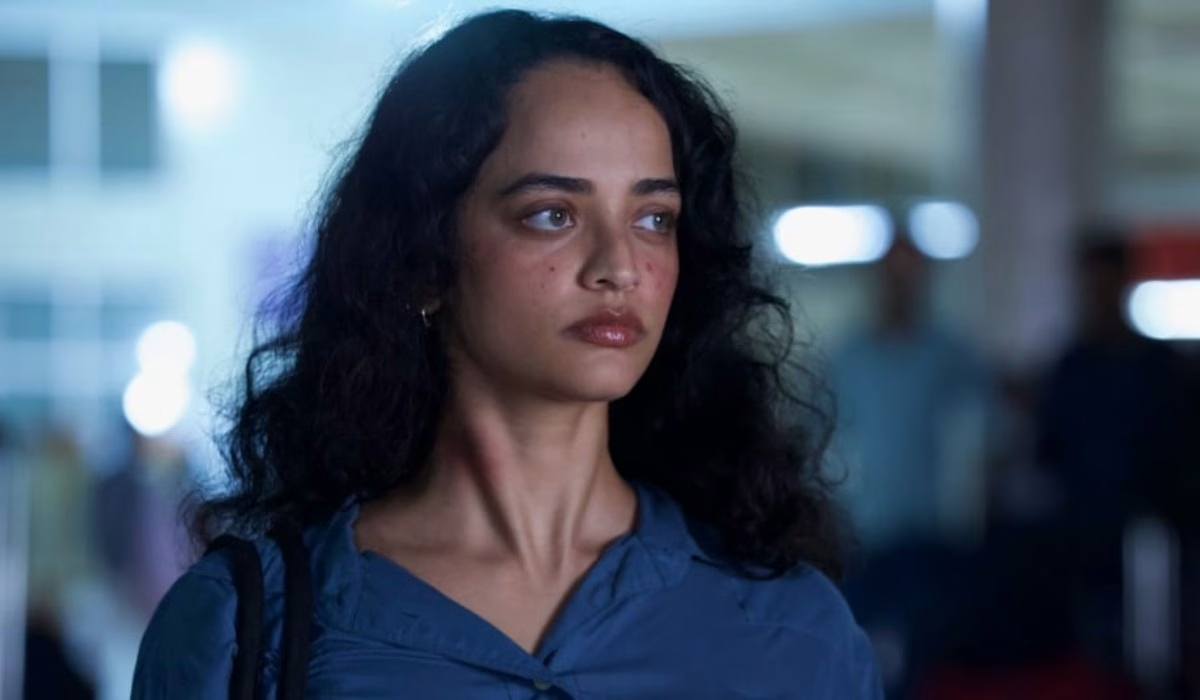

In a world that still labels women “bad” simply for pursuing their desires, Varsha Bharath’s directorial debut arrives as a refreshingly honest critique of gender norms. Now streaming on JioHotstar after its theatrical release, Bad Girl offers more than typical coming-of-age fare—it’s a visually stunning exploration of what it means to be a woman refusing to conform.
Bad Girl: Film Overview
| Category | Details |
|---|---|
| Director | Varsha Bharath (Debut) |
| Lead Actress | Anjali Sivaraman |
| Supporting Cast | Shanthipriya, Saranya Ravichandran, Hridhu Haroon, Teejay Arunasalam |
| Genre | Coming-of-Age Drama |
| Runtime | 1 hour 55 minutes |
| Theatrical Release | September 5, 2025 |
| OTT Platform | JioHotstar |
| Rating | 3.5/5 |
| Music | Amit Trivedi |
The Story That Needed Telling
Bad Girl traces Ramya’s journey from mid-teens to early thirties—a time span that captures the most formative years of identity development. Unlike sugar-coated narratives, this film confronts the harsh realities women face when their desires clash with family expectations and societal stereotypes.
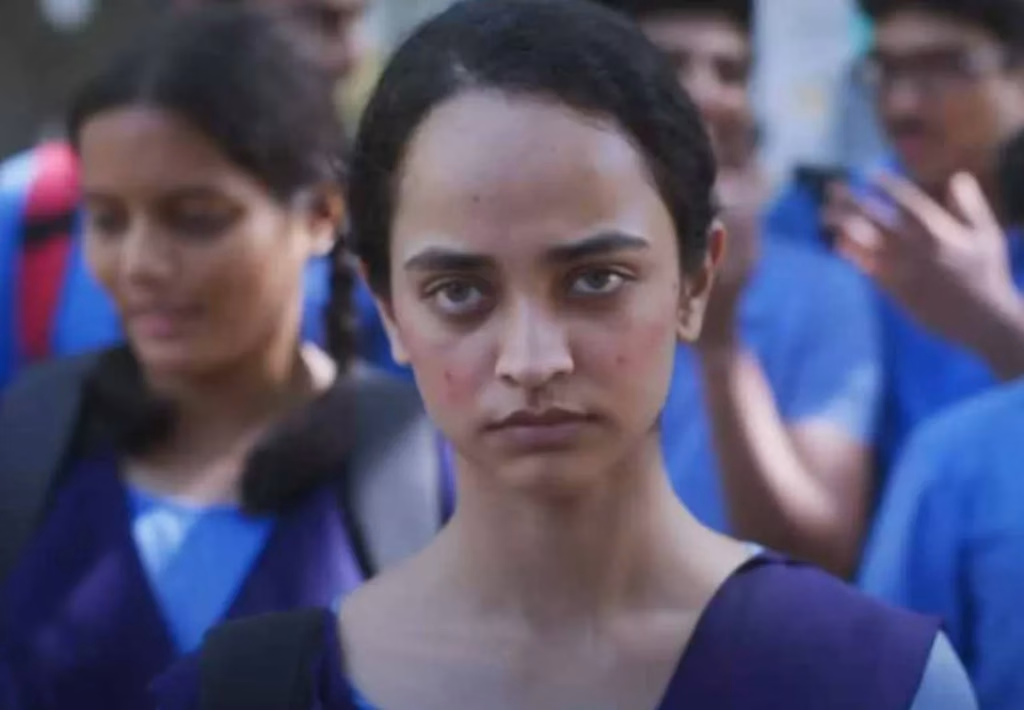
Ramya grows up in an orthodox household where men make decisions and women exist as caregivers and emotional anchors. Sound familiar? That’s because director Varsha Bharath drew from real women’s experiences, creating a protagonist who refuses to play by these outdated rules. Her rebellion isn’t loud or theatrical—it’s in the quiet choices she makes to honor her authentic self.
According to UN Women’s research on gender equality, millions of women worldwide still face restrictive social norms that limit their autonomy. Bad Girl gives voice to this universal struggle through deeply personal storytelling.
What Makes This Film Stand Out
Visual Poetry in Motion
The cinematography transforms this drama into a visual feast. Every frame captures emotional nuances that dialogue alone couldn’t convey. The technical excellence extends to Amit Trivedi’s evocative score and Radha Sridhar’s sharp editing—elements that collectively elevate the narrative impact.
Writing That Reflects Reality
Varsha Bharath’s screenplay deserves special recognition. Rather than preaching empowerment, the film explores the complex reality of navigating privilege disparities. It examines how women’s desires often collide with harsh realities, creating the kind of cognitive dissonance that feels painfully familiar.
For more insights on contemporary Indian cinema challenging social norms, explore our entertainment analysis section.
Mother-Daughter Dynamics
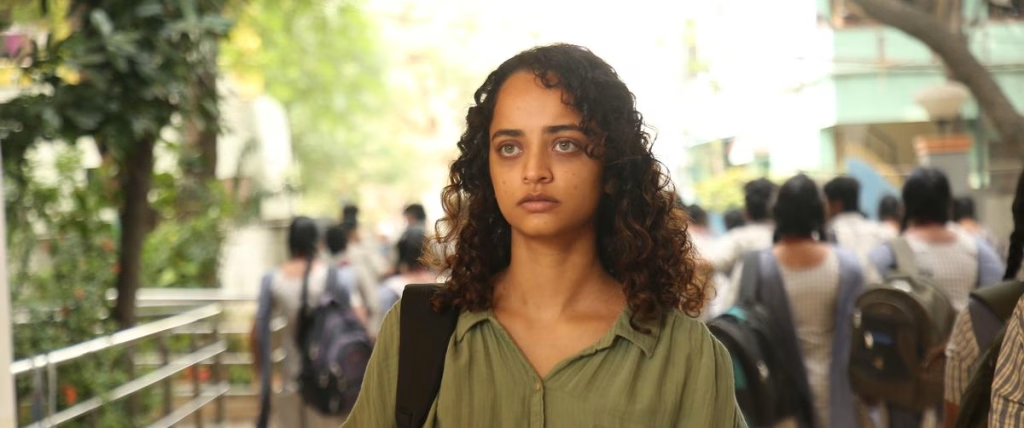
The love-hate relationship between Ramya and her mother (Shanthipriya) provides the emotional core. Their interactions reveal how patriarchal systems pit women against each other—mothers enforcing restrictions they themselves endured, daughters fighting battles their mothers couldn’t.
The Standout Performance
Anjali Sivaraman delivers a career-defining performance as Ramya. She embodies every emotion with remarkable depth while maintaining subtlety—never overplaying the character’s rebellious nature. Her portrayal feels lived-in rather than performed, which aligns with contemporary acting techniques emphasizing authenticity over theatricality.
The supporting ensemble strengthens the narrative fabric, each actor contributing layers to this examination of gender expectations. Check out more about breakthrough performances in regional cinema on our platform.
Where It Stumbles
No film is perfect, and Bad Girl occasionally loses narrative momentum. The storytelling consistency wavers at points, potentially testing viewer engagement. Some aspects may not resonate universally—the film acknowledges that privilege affects how we perceive these struggles.
However, these minor drawbacks don’t derail the overall viewing experience. The film’s strengths significantly outweigh its weaknesses, making it a valuable addition to Indian cinema’s growing collection of feminist narratives.
Who Should Watch This?
Bad Girl is essential viewing for:
- Fans of character-driven dramas with substance
- Viewers seeking authentic representations of women’s experiences
- Anyone who appreciates visually stunning cinematography
- Those interested in films that challenge social conventions
- Supporters of emerging filmmakers with fresh perspectives
The Bigger Picture
Films like Bad Girl matter because they normalize conversations about female autonomy. They remind us that labels like “bad girl” are tools of control, not accurate descriptors. By centering Ramya’s perspective, the film validates experiences that patriarchal societies have long dismissed or punished.
The Indian film industry’s evolution increasingly includes stories from diverse voices—particularly female filmmakers bringing nuanced perspectives to women’s narratives. Bad Girl represents this positive shift.
FAQs
Q: Is Bad Girl based on a true story?
A: While not based on one specific true story, director Varsha Bharath drew inspiration from real women’s experiences. The film reflects authentic struggles that many women face when pursuing their desires against societal expectations and family pressure.
Q: Is Bad Girl suitable for younger audiences?
A: The film deals with mature themes including relationships, family conflict, and gender discrimination. While appropriate for older teens and adults, parental guidance is recommended for younger viewers. The content is thought-provoking but not graphic.

