

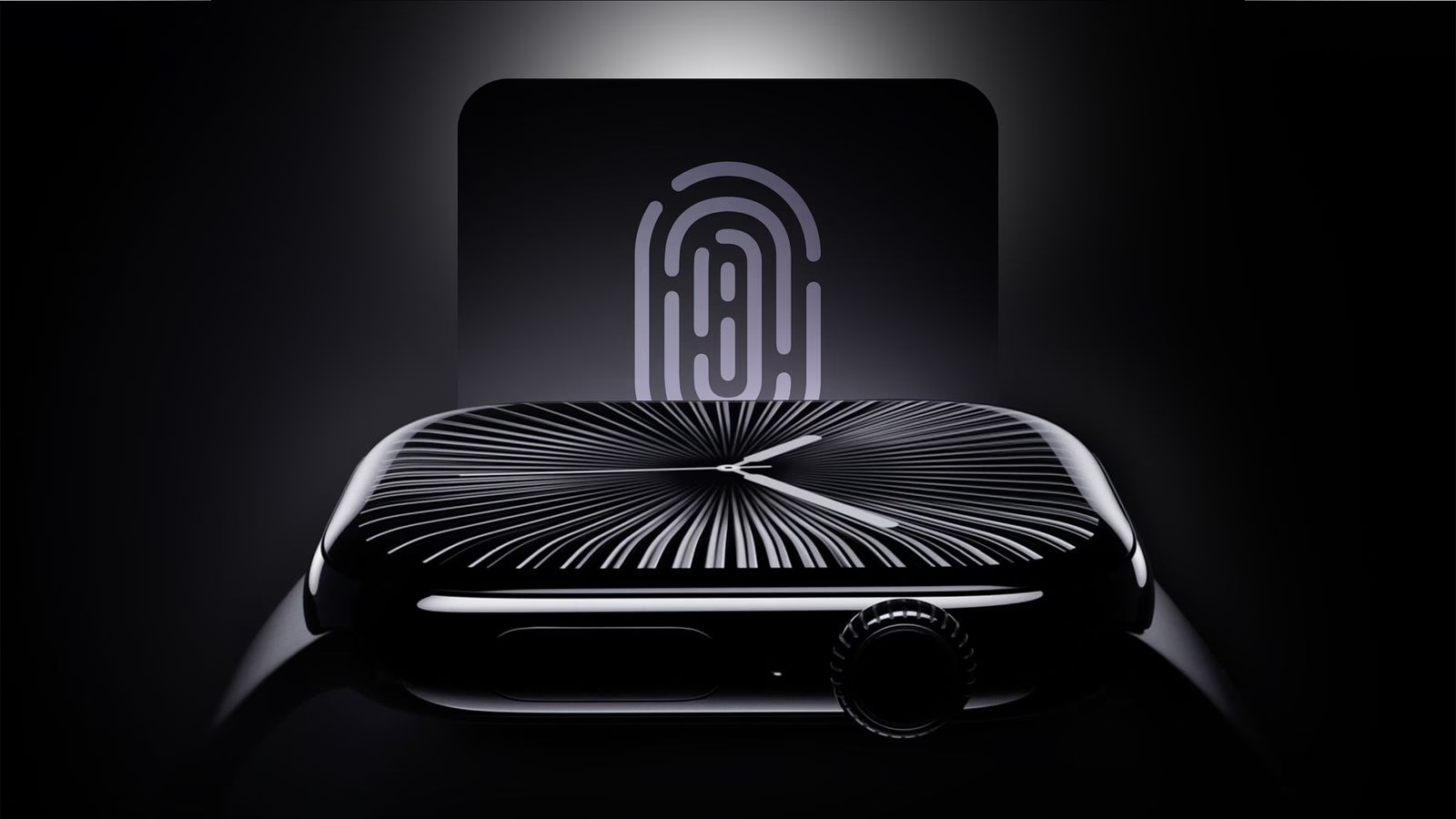

Apple is preparing a significant Apple Watch overhaul for 2026, with leaked internal code revealing Touch ID support and a completely new processor architecture. The upcoming Series 12 and Ultra 4 models promise the biggest hardware upgrade in years, marking a departure from incremental annual updates.
Touch ID Integration Possibilities
Internal Apple code references “AppleMesa”—Apple’s codename for Touch ID—suggesting prototype testing is underway. Two implementation methods appear most likely:
- Under-Display Integration: Following smartphone trends with invisible fingerprint sensors beneath the screen surface.
- Side Button Placement: Incorporating Touch ID directly into the Digital Crown or side button mechanism.
This biometric authentication could revolutionize Apple Watch security, eliminating reliance on short numerical passwords and significantly enhancing Apple Pay transaction security with on-device verification.
Processor Architecture Overhaul
The leaked code reveals new CPU identifier “T8320” for 2026 models, representing a major departure from current architecture:
| Model | CPU Identifier | Significance |
|---|---|---|
| S9/S10/S11 Chips | T8310 | Current generation |
| 2026 S12 Chip | T8320 | Complete redesign |
| Performance Impact | Unknown | Likely substantial improvement |
This processor change suggests Apple is moving beyond incremental performance updates toward meaningful computational advances.
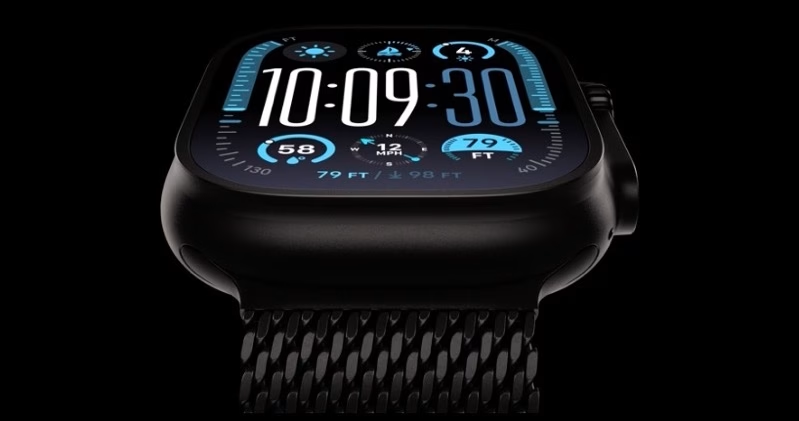
Model Lineup and Internal Changes
Three specific models appear in the code:
- N237: Apple Watch Series 12 (GPS)
- N238: Apple Watch Series 12 (Cellular)
- N240: Apple Watch Ultra 4
The internal designation shift from “Watch7” (covering Series 9, 10, and 11) to “Watch8” indicates fundamental platform changes rather than routine updates.
Design Revolution Expected
According to DigiTimes reports, 2026 will bring significant design changes complementing the internal hardware overhaul. This aligns with Apple’s pattern of major redesigns every few generations.
The timing suggests Apple is positioning 2026 as a watershed moment for wearable technology, potentially introducing form factor changes alongside the new biometric and processing capabilities.
Market Implications
Touch ID integration addresses persistent user complaints about Apple Watch authentication friction. Current password requirements for payments and app access often frustrate users, particularly during workouts or quick transactions.
Enhanced security could expand Apple Pay adoption and enable new use cases requiring stronger authentication, such as digital car keys or secure building access systems.
Development Uncertainty
While the code evidence is compelling, Apple could still abandon Touch ID implementation before final production. The company regularly tests features that never reach consumers, making this a prototype-stage development.
However, the comprehensive nature of changes—new processor, Touch ID references, and platform designation shift—suggests serious commitment to this upgrade path.
FAQs
Will Touch ID work with existing Apple Watch bands and cases?
Design details remain unclear, but major changes could affect accessory compatibility depending on implementation method.
Could Touch ID replace the current passcode system entirely?
Likely yes, similar to how Touch ID eliminated most password requirements on iPhones and iPads.

