

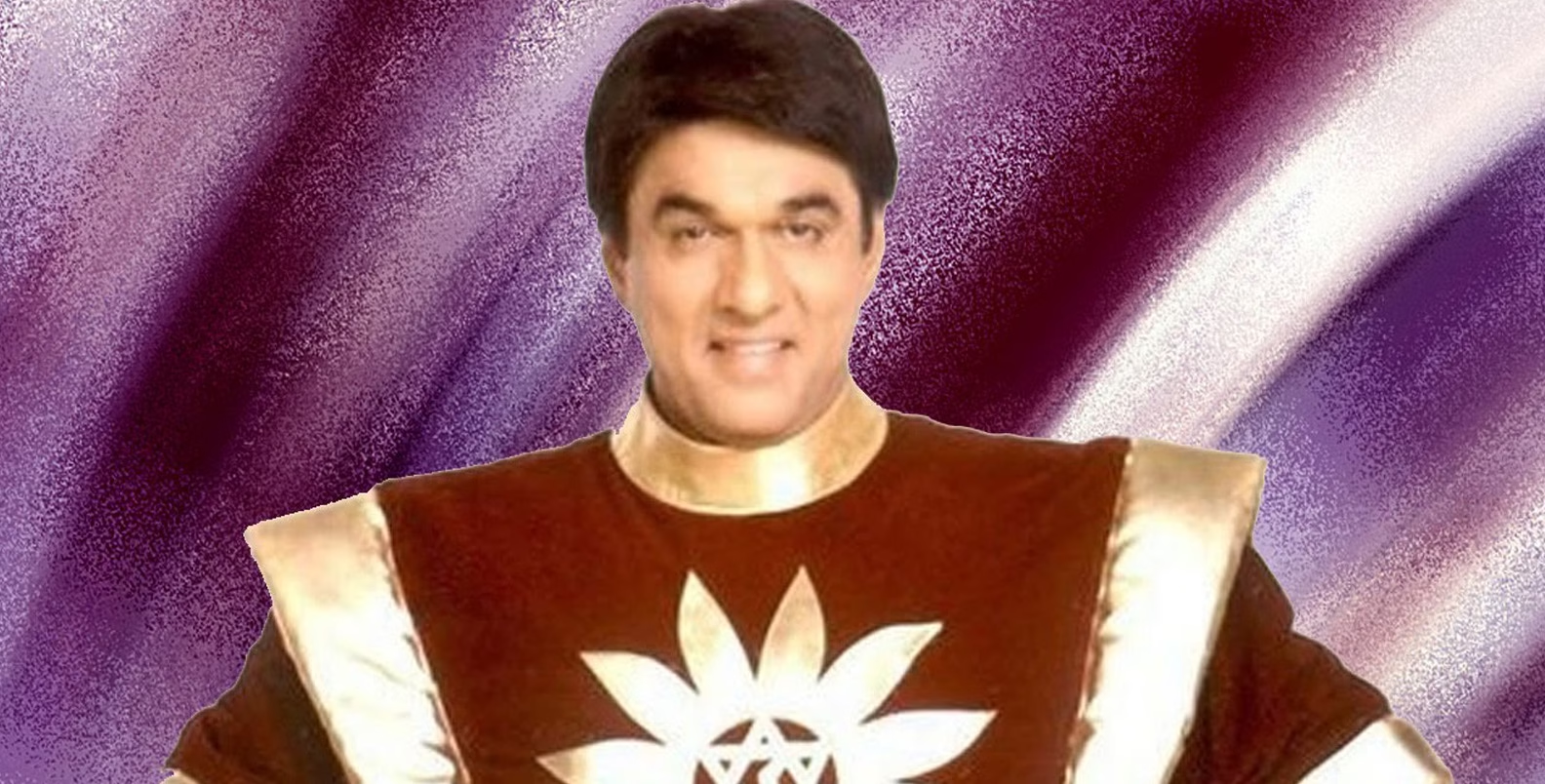

Remember rushing home from school to catch your favorite TV show? The 90s gave us television gold that defined childhoods and created shared cultural memories. Shows like Hum Paanch, Shrimaan Shrimati, and Shaktimaan weren’t just entertainment—they were national phenomena that united families before dinner time.
Your Ultimate 90s Shaktimaan TV Rewatch Guide
| Show Title | Genre | Why Rewatch Now |
|---|---|---|
| Shaktimaan | Superhero | India’s first superhero series with timeless messages |
| Hum Paanch | Comedy | Sharp humor that still lands perfectly |
| Shrimaan Shrimati | Sitcom | Observational comedy about middle-class life |
| Malgudi Days | Drama | R.K. Narayan’s stories beautifully adapted |
| Dekh Bhai Dekh | Comedy | Family dynamics with witty writing |
Why These Shows Still Matter
According to Pinkvilla’s nostalgic roundup, these classics transcend nostalgia—they represent superior storytelling, memorable characters, and cultural authenticity rarely seen in today’s content-saturated landscape.
What Made Them Special:
Limited episodes meant quality over quantity. Writers crafted each episode carefully without pressure to stretch storylines across hundreds of episodes. Characters developed meaningfully, humor emerged from situations rather than forced comedy, and shows respected audience intelligence.
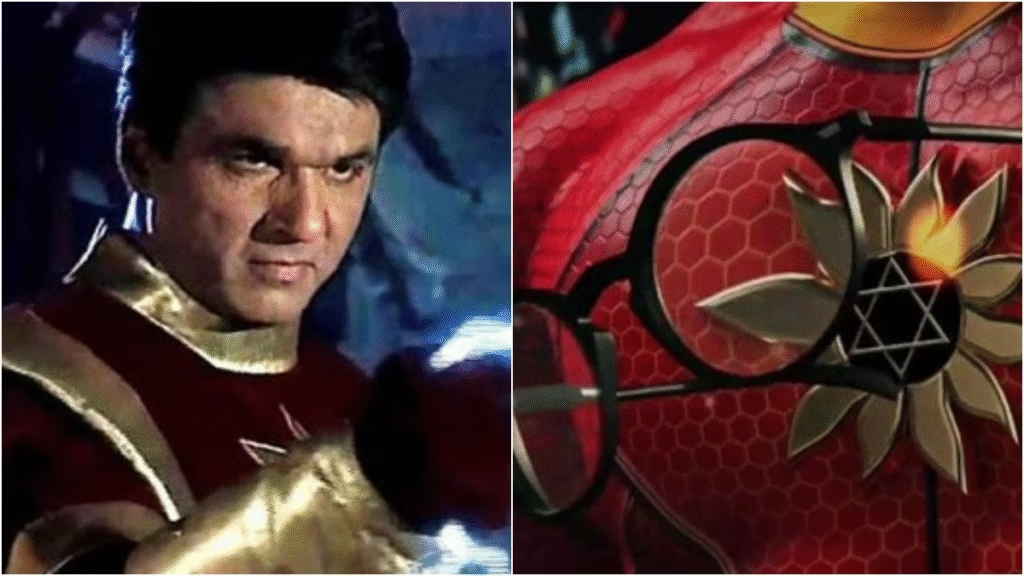
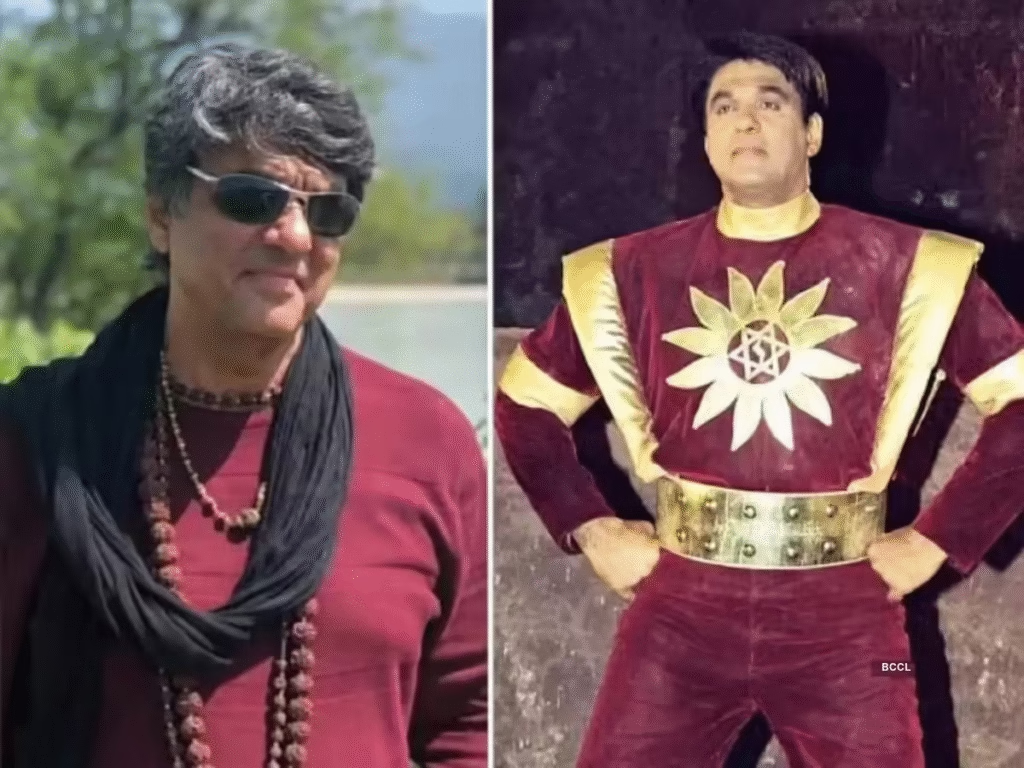
Shaktimaan: India’s Original Superhero
Before Marvel dominated global consciousness, Shaktimaan gave India its own superhero mythology. Mukesh Khanna’s portrayal created an iconic character teaching moral lessons alongside fighting villains.
Why Rewatch: The show’s blend of Indian philosophy with superhero action remains unique. Each episode contained social messages about honesty, courage, and civic responsibility—entertainment with substance that today’s content often lacks.
The special effects may seem dated, but the storytelling integrity and Shaktimaan’s transformation sequences still captivate. For those exploring Indian superhero content, this remains the essential starting point.
Hum Paanch: Comedy That Aged Beautifully
Hum Paanch tackled progressive themes through comedy decades before they became mainstream discussions. Five sisters with distinct personalities navigating life’s challenges created humor rooted in authentic family dynamics.
Standout Elements:
- Anand Mathur’s conversations with his deceased first wife’s photograph
- Each sister’s unique personality providing different comedic angles
- Social commentary disguised as family sitcom
- Ashok Saraf and Shoma Anand’s impeccable comic timing
The show’s humor derived from character interactions rather than stereotypes or slapstick, making it genuinely funny across rewatches without feeling dated.
Shrimaan Shrimati: Observational Comedy Gold
Shrimaan Shrimati pioneered observational comedy in Indian television, exploring middle-class married life with sharp wit. The show’s premise—two couples living adjacent with wandering eyes—could have been crass but remained clever through superior writing.
What Works:
- Relatable middle-class aspirations and frustrations
- Characters you recognized from your own neighborhoods
- Humor finding comedy in everyday situations
- Rakesh Bedi and Reema Lagoo’s chemistry
Rewatching reveals writing sophistication that respects audience intelligence—jokes land through setup and timing rather than obvious punchlines.
Malgudi Days: Timeless Literary Adaptation
Malgudi Days adapted R.K. Narayan’s beloved stories, capturing small-town India’s essence with authenticity and warmth. Each self-contained episode presented complete stories exploring human nature’s complexities.
Enduring Appeal:
- Shankar-Ehsaan-Loy’s iconic title track
- Episodic format perfect for casual viewing
- Universal themes transcending time periods
- Cinematography capturing India’s beauty
The show’s simplicity contrasts sharply with today’s high-octane productions, offering meditative viewing experiences increasingly rare in modern entertainment.
Dekh Bhai Dekh: The Ultimate Family Sitcom
Dekh Bhai Dekh portrayed the Diwan family’s multi-generational dynamics with warmth and humor. The joint family setup provided endless comedic situations while celebrating togetherness.
Why It Remains Relevant:
- Natural family chemistry among cast members
- Writing that balanced humor with heart
- Memorable catchphrases entering popular culture
- Characters representing different generational perspectives
The show’s celebration of family values without preachiness makes it comfort viewing that entertains while evoking simpler times.
The Streaming Advantage
Many 90s classics now stream on digital platforms, making rewatching convenient. Unlike appointment television’s constraints, you control viewing schedules, binge favorite episodes, or introduce new generations to shows that shaped your childhood.
Rewatch Benefits:
- Adult perspective revealing humor you missed as kids
- Appreciation for production constraints fostering creativity
- Understanding cultural references that flew over young heads
- Sharing generational touchstones with younger family members
What Modern TV Can Learn
These shows succeeded without massive budgets, celebrities, or marketing blitzes. Their strengths—strong writing, character development, respecting audience intelligence—remain relevant lessons for today’s content creators.
Limited episode counts forced disciplined storytelling. Writers couldn’t pad seasons, making every episode count. This efficiency created tighter narratives than many contemporary shows stretched across excessive episodes.
Creating Your 90s TV Marathon
Start with shorter shows like Malgudi Days for episodic satisfaction. Progress to sitcoms like Hum Paanch for character-driven comedy. Save Shaktimaan’s longer episodes for dedicated viewing sessions.
Pro Tip: Watch with family members who experienced these shows originally. Their reactions and shared memories enhance the viewing experience, transforming individual rewatching into collective nostalgia.
The Nostalgia Factor
These shows represent more than entertainment—they’re time capsules preserving 90s India’s innocence, values, and humor. Rewatching connects you with younger selves while appreciating craftsmanship that created lasting cultural impact.
Frequently Asked Questions
Q: What are the best 90s Indian TV shows to rewatch?
A: Top 90s TV classics worth rewatching include “Shaktimaan” (India’s iconic superhero series), “Hum Paanch” (progressive family comedy), “Shrimaan Shrimati” (observational sitcom), “Malgudi Days” (R.K. Narayan’s literary adaptations), and “Dekh Bhai Dekh” (joint family sitcom). These shows feature superior writing, memorable characters, and timeless entertainment value that transcends nostalgia.
Q: Where can I watch classic 90s Indian TV shows online?
A: Many 90s classics stream on platforms like YouTube, Hotstar, Sony Liv, and Zee5. Shows like “Shaktimaan,” “Hum Paanch,” and “Malgudi Days” are available digitally, making them accessible for rewatching. Availability varies by platform and region, so check multiple streaming services. These shows offer family-friendly content with quality storytelling superior to many contemporary productions.

